
Last updated November 21, 2026
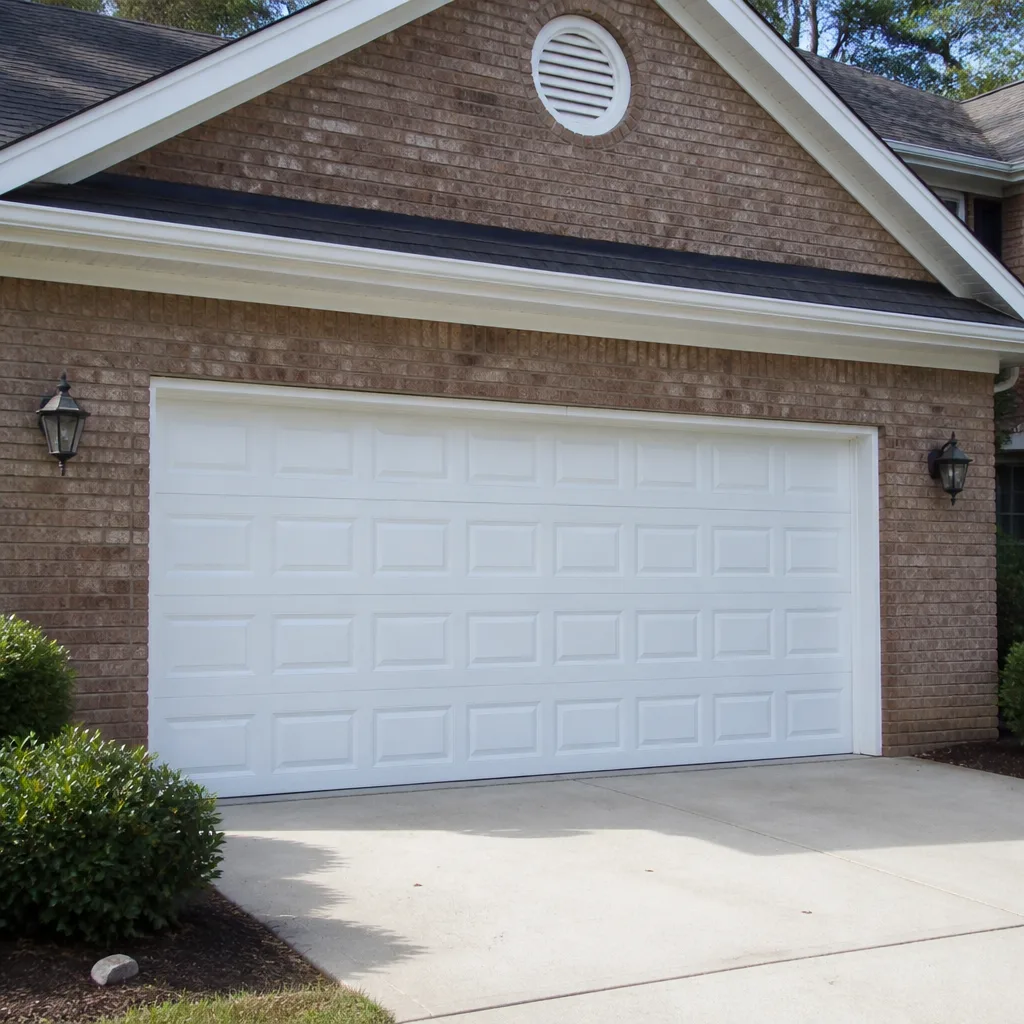 Raised-panel steel
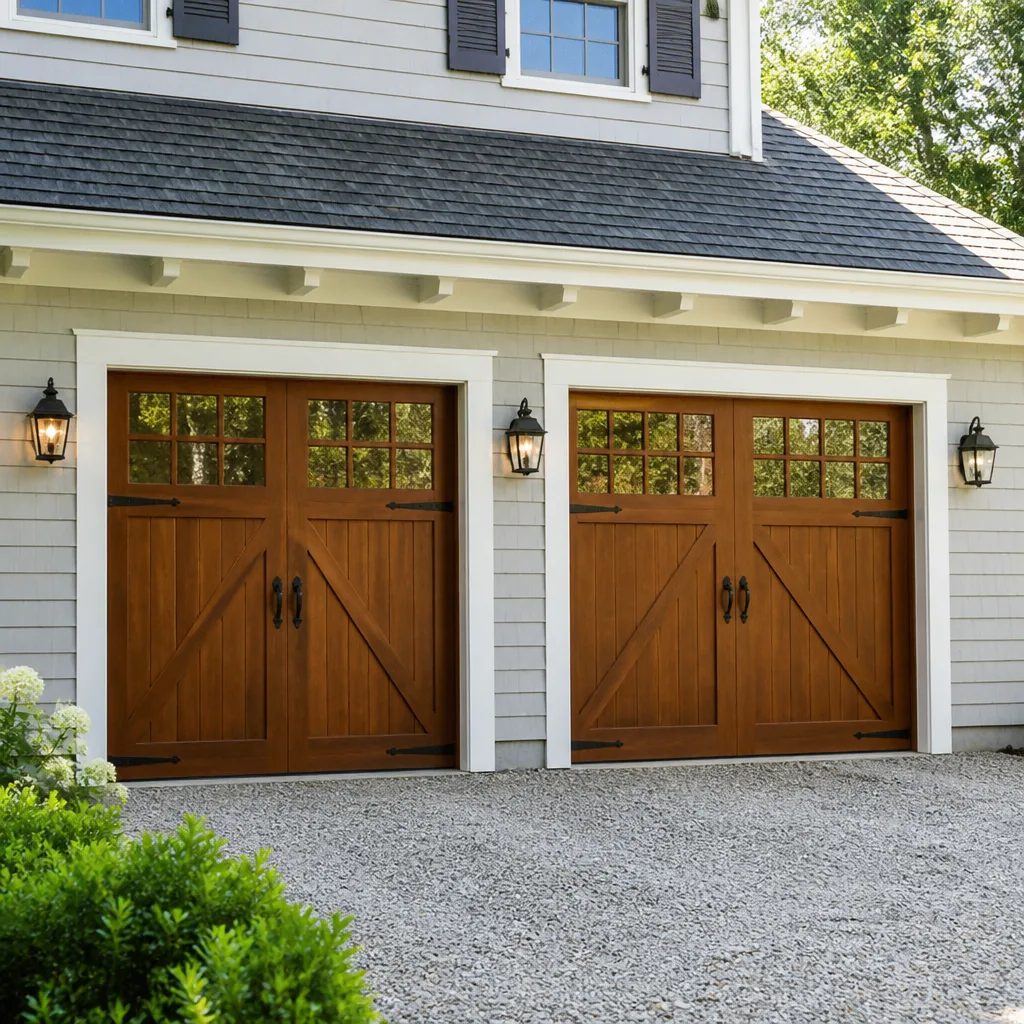 Carriage house
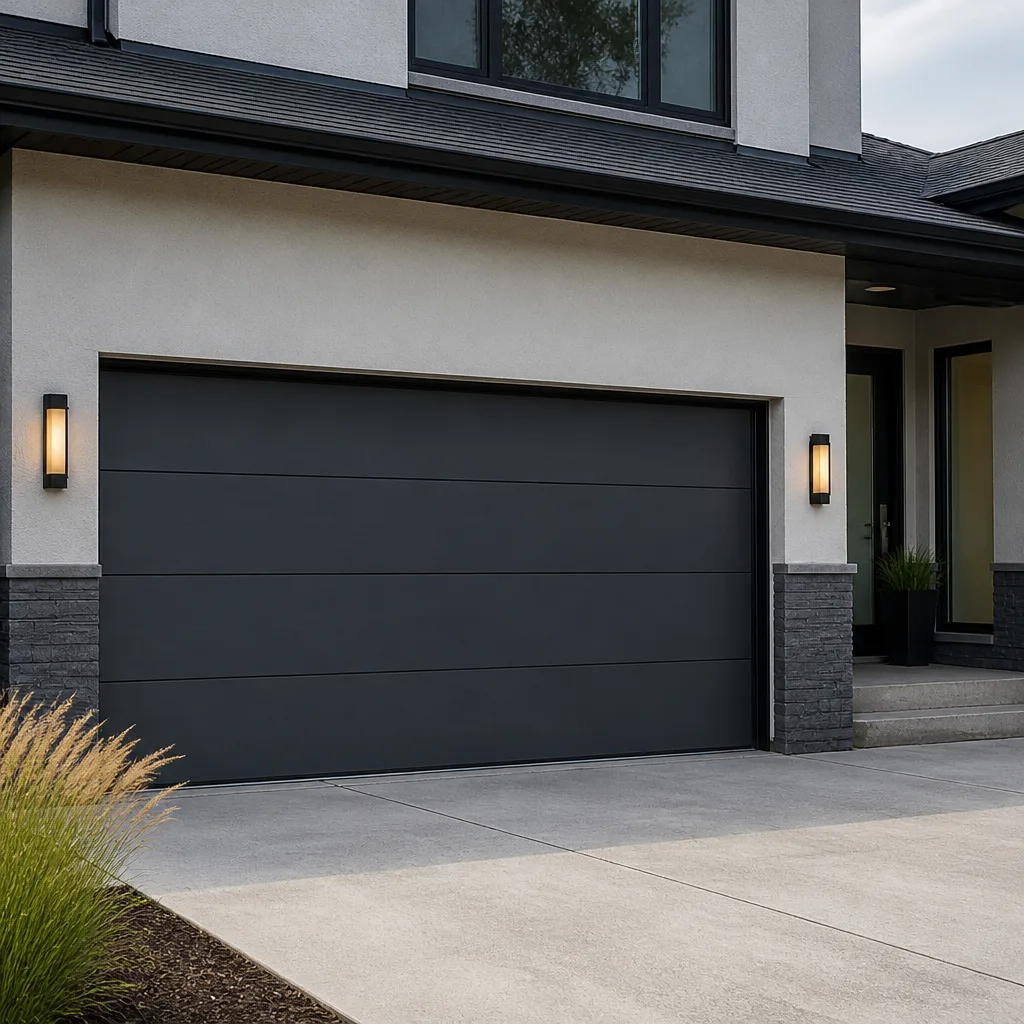 Modern flush
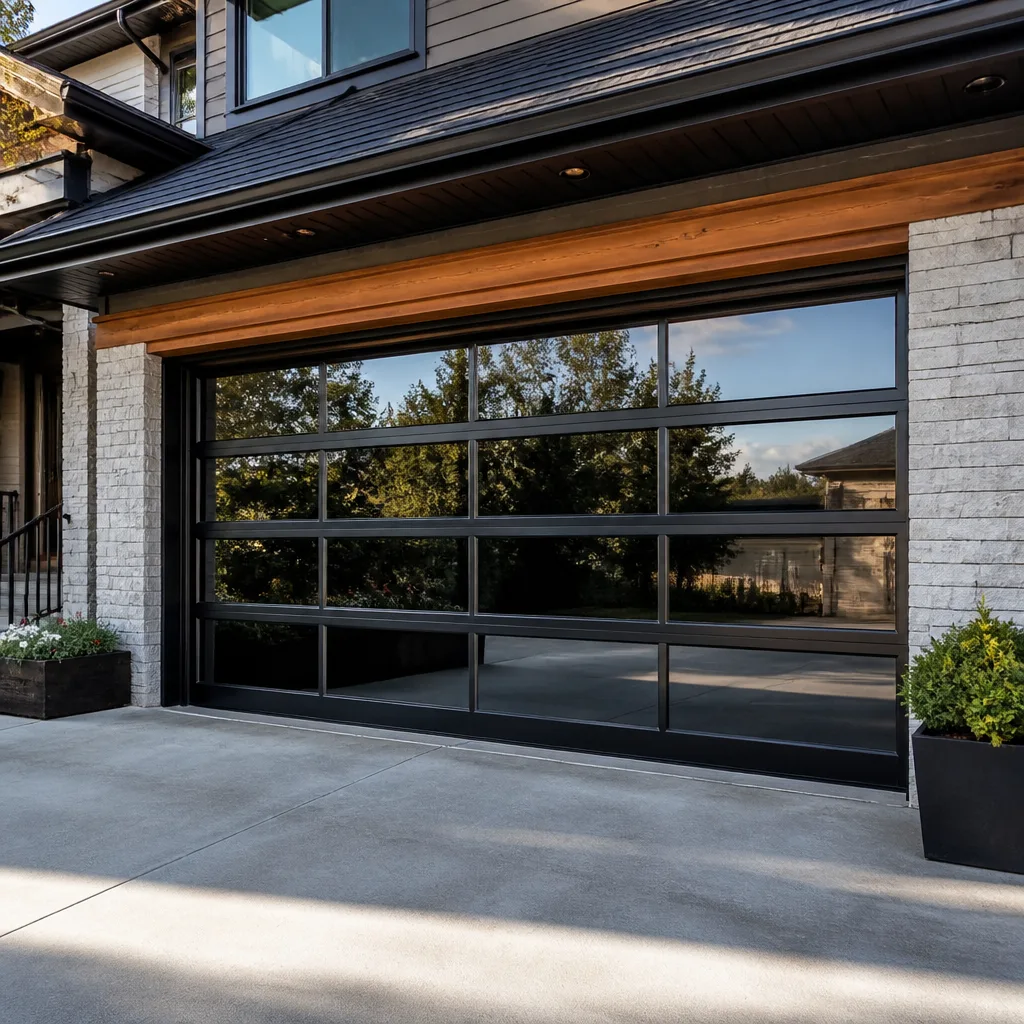 Full-view glass
 LiftMaster openers
 Chamberlain openers
Full 25-point door and opener safety check with every visit - springs, cables, rollers, tracks, and your LiftMaster or Chamberlain opener included
You get a price before we start. It does not change when the pro arrives.
Get your free estimateGarage Door Repair Maintenance Checklist for Middletown Township Homeowners
Generic maintenance checklists tell you to “lubricate moving parts.” That’s the equivalent of telling someone to “check under the hood.” It’s technically true and practically useless. A door in Middletown Township doesn’t fail the way a door in Arizona fails, and treating every door the same is how small problems turn into stranded cars and emergency calls. This guide is built around what actually breaks here: freeze-seized bottom seals after a Monmouth County winter, opener boards that fault out when summer humidity spikes, and torsion springs that rust faster than you’d expect. You’ll get a quarterly and annual task split you can actually keep up with, two opener tests most homeowners skip, and a clear line on what’s safe to check yourself versus what needs a trained technician.
Quick Answer
A working garage door maintenance routine in Middletown Township comes down to four things done in the right order: test the balance and the auto-reverse safety feature every quarter, lubricate the right points twice a year with the right product, inspect the bottom seal and tracks after each winter and each humid stretch, and book a professional tune-up once a year for the springs, cables, and opener internals you shouldn’t touch. Most door failures we see trace back to one skipped step in that sequence, not to a sudden mechanical mystery.
Styles & brands we work with
- Raised-panel steel
- Carriage house
- Modern flush
- Full-view glass
- LiftMaster openers
- Chamberlain openers
Table of Contents
- Why Middletown Township Doors Fail Differently
- The Quarterly Checklist: Four Tasks, Twenty Minutes
- Lubrication Points That Actually Matter Here
- Testing Your Bottom Seal After a Monmouth County Winter
- The Two Opener Tests Homeowners Skip
- Track Alignment and Seasonal Wood-Frame Movement
- The Annual Professional Tune-Up: What It Covers
- What You Should Never Touch Yourself
Why Middletown Township Doors Fail Differently
Middletown Township sits in a stretch of Monmouth County where the seasons do real damage to garage door hardware. Winters bring repeated freeze-thaw cycles. Summers bring weeks of heavy humidity. And the housing stock ranges from mid-century homes with wood-framed garage openings to newer construction in neighborhoods like Lincroft, Navesink, and Belford, where the door, the frame, and the opener were all installed at the same time and age together.
That combination produces failure patterns you won’t read about in a manufacturer’s generic brochure:
- Freeze-seized bottom seals. A rubber seal that takes on water and then freezes to the concrete can tear away from the door bottom or crack along its length. Once it separates, water and cold air get in, and so do insects and small rodents.
- Rust on torsion springs in humid stretches. A spring under tension and coated in summer condensation corrodes at the coils. Corrosion weakens the wire, and a weakened spring is a spring that breaks.
- Opener logic boards that fault after humidity spikes. Circuit boards inside openers are sensitive to moisture and heat. Doors that worked fine in spring start reversing or stopping halfway through July and August.
- Track misalignment from wood-frame movement. Older Middletown Township garages often have wood framing around the opening. That wood swells and shrinks with the seasons, and the tracks bolted to it shift with it.
Here’s the useful part: every one of those failure patterns is detectable early, with your eyes and your hands, if you know what to look for. A checklist calibrated to local conditions catches problems at the “cheap fix” stage instead of the “emergency call” stage.
The Quarterly Checklist: Four Tasks, Twenty Minutes
Do these four things every three months and you’ll catch most developing problems before they cost you a service call. No tools beyond a rag and a flashlight.
- Open and close the door and listen. A door that sounds the same every time is a door in good shape. Grinding, squealing, or a rhythmic clunking that changes with door position points to a worn roller, a dry hinge, or a loosening track. Note where in the travel the noise starts.
- Test the balance. Disconnect the opener (pull the release cord), lift the door halfway by hand, and let go. A properly balanced door holds its position. A door that drops on its own has a spring problem, and spring problems are not a homeowner fix.
- Run the auto-reverse test. Place a roll of paper towels or a 2×4 flat on the floor in the door’s path and close the door. It should reverse on contact. If it doesn’t, stop using the opener and get it serviced.
- Eyeball the seal and the tracks. Look along the bottom seal for gaps, cracks, or sections pulling away. Look down each vertical track from the floor up and check that they’re straight, parallel, and firmly bolted. Anything visibly bent or loose needs attention.
That’s the whole quarterly routine. It takes less time than a coffee break and it distinguishes a door that needs a $20 part from one that’s two weeks from a snapped spring.
Lubrication Points That Actually Matter Here
Lubrication is where generic checklists do the most damage, because “oil the moving parts” is wrong on at least three counts. The wrong product on the wrong part attracts grit, gums up in cold weather, or does nothing at all.
What to lubricate, and with what
- Hinges and rollers: a silicone-based or white lithium spray. A light coat on the hinge pivot points and roller bearings twice a year. Not oil, not grease – both hold dust and turn into a grinding paste.
- Torsion springs: a dedicated spring lubricant or a light spray lubricant applied sparingly, and only on the coils, never on the shaft or the winding cones. In a humid Middletown Township summer, a thin protective film on the coils slows surface rust. Spray from a foot away with the door closed, and don’t touch the spring with your hands. More on that below.
- Track channels: nothing. Tracks are meant to stay dry. Lubricant in a track collects grit and makes rollers drag.
- Weatherstripping and seals: a silicone spray or a very light wipe of silicone grease. This keeps rubber pliable through freeze-thaw cycles and slows the cracking that lets water in.
The humid-versus-inland difference
Humidity is what changes the lubrication schedule. Coastal Monmouth County air holds more moisture through July and August, which means springs, hinges, and any bare metal on the door corrode faster than the same hardware would inland. Two light applications a year, spring and early fall, is the right rhythm in Middletown Township. In a drier climate you could stretch to once a year. Here, don’t.
The one thing you never do
Do not lubricate or adjust a torsion spring under tension beyond a light spray on the coils. Springs store enormous energy. Winding, unwinding, or trying to “loosen” a stuck spring is how people get seriously hurt. That work belongs to a trained technician with the right winding bars and the right training. When a spring is failing, our garage door spring repair service handles the diagnosis and replacement, and it’s one of the jobs we take most seriously.
Testing Your Bottom Seal After a Monmouth County Winter
The bottom seal is the most overlooked part of a garage door and one of the most important. It keeps out water, cold air, insects, and small animals. After a winter of freezing nights and daytime thaws, seals in Middletown Township take a beating. Here’s how to test yours in two minutes, no tools:
- Close the door fully.
- Look along the entire bottom edge for daylight or gaps. A thin sliver of light under the door means the seal isn’t compressing against the floor.
- Slide a piece of paper under the door at a few points. If it slides out easily, the seal isn’t making contact there.
- Run your hand along the seal (door closed, opener off). Feel for cracks, hard spots, or sections that have pulled away from the retainers.
What cracking and separation actually mean
A seal that cracks, hardens, or separates from the door bottom isn’t a cosmetic issue. It lets water pool on the garage floor, which reaches the bottom of the door, the track anchors, and anything stored against the wall. It lets cold air in, which raises heating costs for any room sharing a wall with the garage. And an open gap at floor level is a highway for insects and mice. A cracked seal is a cheap, straightforward replacement – and putting it off is how you end up with a rusted bottom section and a bigger bill. If your seal has failed and you’re weighing whether it’s a spot fix or part of a broader repair, our garage door repair service covers seals, panels, and hardware in one visit.
The Two Opener Tests Homeowners Skip
Opener problems rarely announce themselves. The door just works until the day it doesn’t, and the two tests below are how you find a failing drive gear or a misadjusted limit before that happens. Both take under a minute.
Test 1: Force resistance
With the door closed, stand at the side and start closing the door. Apply light hand pressure to the bottom edge as it descends. The door should reverse. If it keeps pushing down against your hand with real force, the opener’s force setting is too high. A too-high force setting masks a failing gear for a while, then fails hard. It’s also a safety issue if a child or pet is ever in the path. Don’t adjust force settings yourself unless you have the opener manual and know the model; a technician should set it.
Test 2: Auto-reverse
Lay a 2×4 flat on the floor in the door’s path and close the door. The door should contact the board and immediately reverse to the open position. If it stops and stays down, or hesitates, the safety system needs attention. This is the single most important opener test there is, and it’s the one most homeowners never run.
What these tests reveal
A door that passes both tests is safe to keep using. A door that fails either needs service. And here’s the connection homeowners don’t expect: intermittent reversing, doors that stop halfway, and openers that strain audibly often trace back to a worn drive gear or a worn sprocket inside the opener housing. Catching that early is inexpensive. Catching it after it strips mid-drive is a stranded car and a call for garage door opener repair. Our technicians work on LiftMaster, Chamberlain, Genie, and Craftsman units routinely, plus Clopay, Amarr, Wayne Dalton, and Raynor doors, which means the diagnosis starts with the hardware actually on your door instead of a guess.
Track Alignment and Seasonal Wood-Frame Movement
Tracks do two things: guide the door and keep it aligned with the opener. When they shift, the door binds, rollers wear faster, and the opener works harder than it should. And in Middletown Township’s older homes, tracks have a habit of shifting seasonally, because they’re often bolted to wood framing that swells in humid months and shrinks in dry ones.
The no-tool check
Close the door and look at each vertical track from the floor up. The two tracks should be parallel, plumb, and evenly spaced from the door. Then open the door halfway and see whether the gap between the door edge and each track is consistent. A gap that’s wider at the bottom than the top, or vice versa, is a track that has moved.
Why seasonal movement matters
A track that’s off by a quarter inch is fine. A track that shifts a half inch can bind the door, which strains the opener, which is where “my opener keeps reversing” problems start. In a wood-framed opening that moves seasonally, the right answer usually isn’t to force the track back into place. It’s to check the mounting, re-secure it correctly, and consider whether the framing itself needs attention. That’s a job for a technician, not a hammer. If your door is binding and you’re near the Lincroft or Navesink end of town, a quick check now is cheaper than a track replacement later.
The Annual Professional Tune-Up: What It Covers
Once a year, have a technician look at the parts you shouldn’t touch. The point isn’t to sell you something you don’t need. It’s to catch spring wear, cable fraying, and opener internals that fail invisibly until they fail completely. A good annual tune-up in Middletown Township covers:
- Spring inspection and measurement. A technician checks coil condition, rust, and wind count against the door’s weight. A spring that’s a little tired gets flagged before it snaps.
- Cable inspection. Frayed cables are a serious safety issue and are almost impossible to assess accurately from the ground. This is a trained-technician job.
- Roller and hinge wear. Worn rollers get replaced before they chew up a track.
- Opener force and limit settings. Verified against the door, not against a default.
- Balance and travel adjustment. Including the down-limit, so the seal makes contact without the opener forcing the door into the floor.
- Lubrication of springs and hinges. Done correctly, on the points above.
Ten years of technician experience tells you the honest version of annual maintenance: most of what we find at a tune-up is minor, and the value is in what doesn’t happen next. A door that gets one tune-up a year avoids the failure cascade that starts with a dry hinge and ends with a snapped spring. If anything needs replacing, you’ll get a clear diagnosis and a quote before any work starts, and the written estimate is the price – not a starting point that grows once the door is apart.
What You Should Never Touch Yourself
Some garage door work is genuinely safe for a homeowner and some of it can kill or maim. Draw the line clearly.
Safe to check yourself
- Balance, force resistance, and auto-reverse tests
- Visual inspection of seals, tracks, hinges, and rollers
- Lubrication of hinges, rollers, and the coils of torsion springs (sparingly, from a distance)
- Listening for new noises and noting when they happen
Never touch yourself
- Torsion springs. These store enough energy to cause serious injury if they release unexpectedly. They must only be handled by a trained technician using proper winding bars, with the door secured.
- Cables and drums. The cables are under spring tension and are attached to drums that can spin violently. Don’t adjust, tighten, or “fix” a cable.
- Bottom brackets and the bottom section’s hardware. These are under tension from the cables.
- Opener wiring and the electrical panel. If your opener needs wiring changes, that’s qualified electrical work. We recommend a trained professional, and we don’t give step-by-step electrical instructions for good reason.
If you’re ever unsure whether a symptom points to something safe or something serious, stop and get it looked at. The cost of a diagnostic visit is trivial next to a serious injury.
Recurring-Check Calendar: Quarterly vs. Annual
A checklist you can’t keep up with is a checklist you won’t use. Here’s the split that actually works:
- Every quarter: balance test, force resistance test, auto-reverse test, seal and track visual inspection.
- Twice a year (spring and early fall): lubricate hinges, rollers, and torsion spring coils; silicone spray the seals.
- Once a year: professional tune-up covering springs, cables, rollers, opener internals, force and limit settings, and balance adjustment.
- After any winter storm: check the bottom seal for freeze damage and look for ice damming at the door bottom.
- After any heavy humidity stretch: run the force and auto-reverse tests and listen for new opener noises, since intermittent board faults often show up then.
That’s the whole system. Five recurring touchpoints, no tools, no guesswork.
See the difference
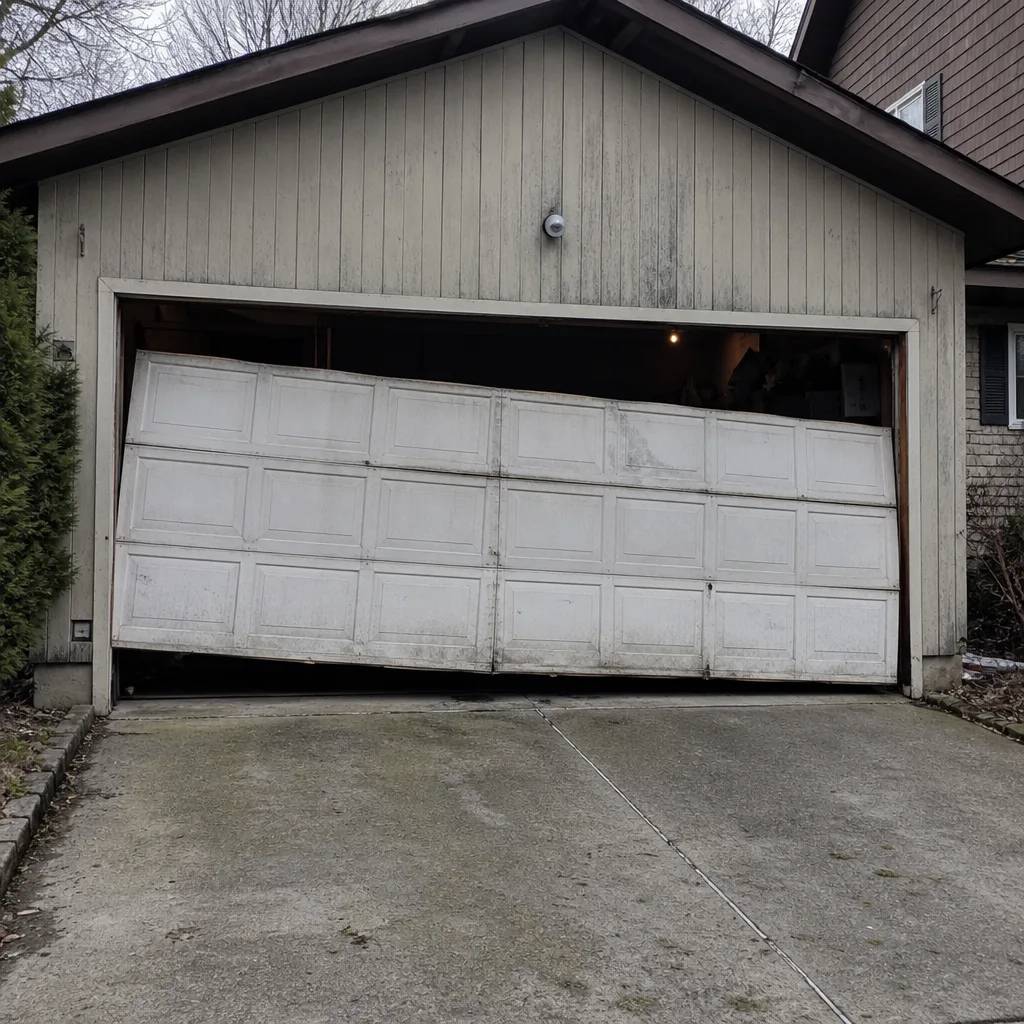 Before
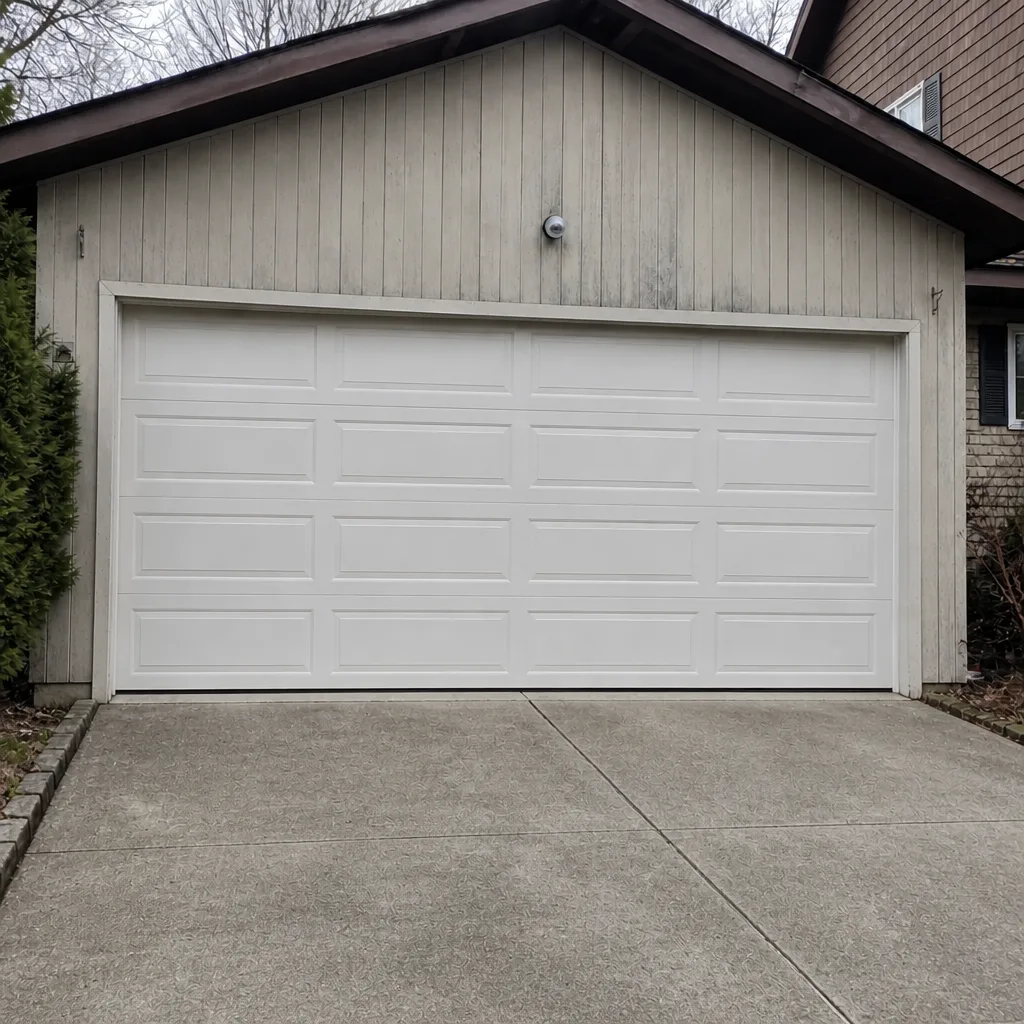 After
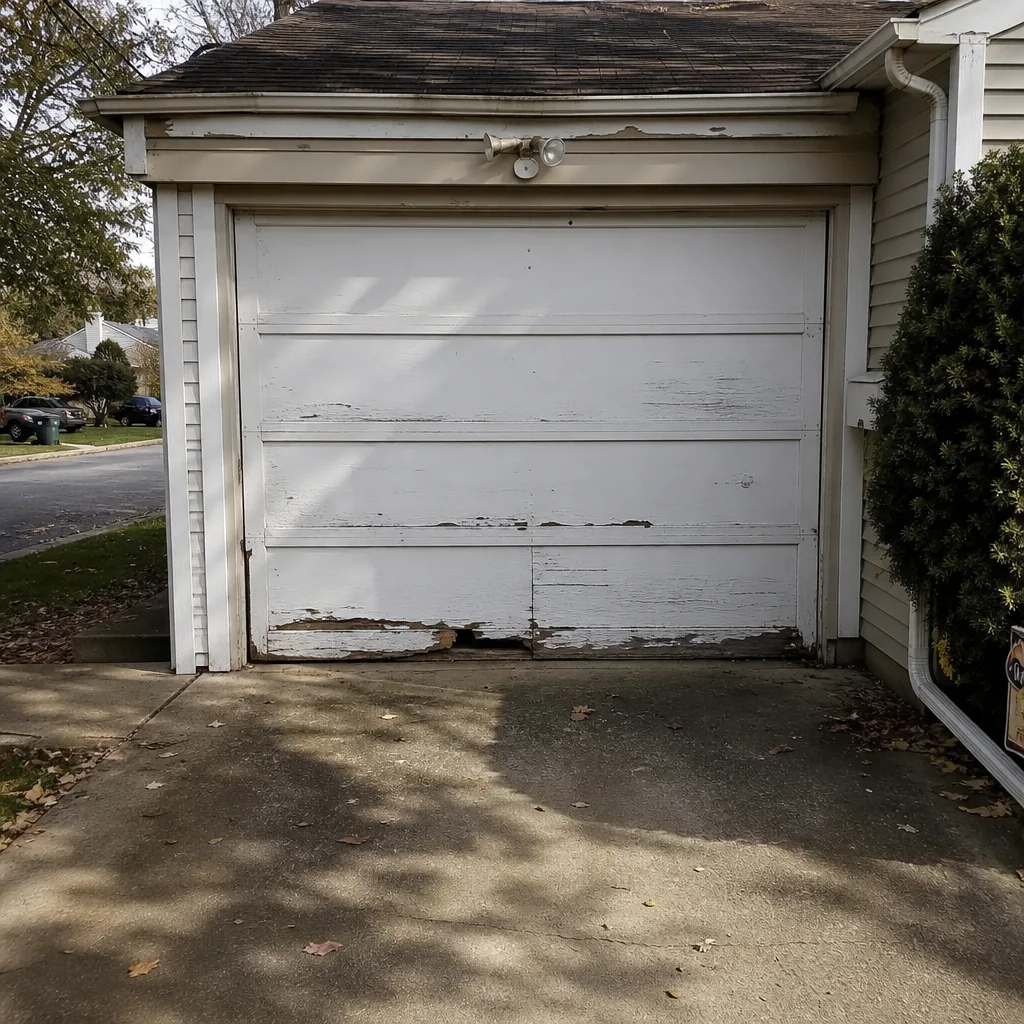 Before
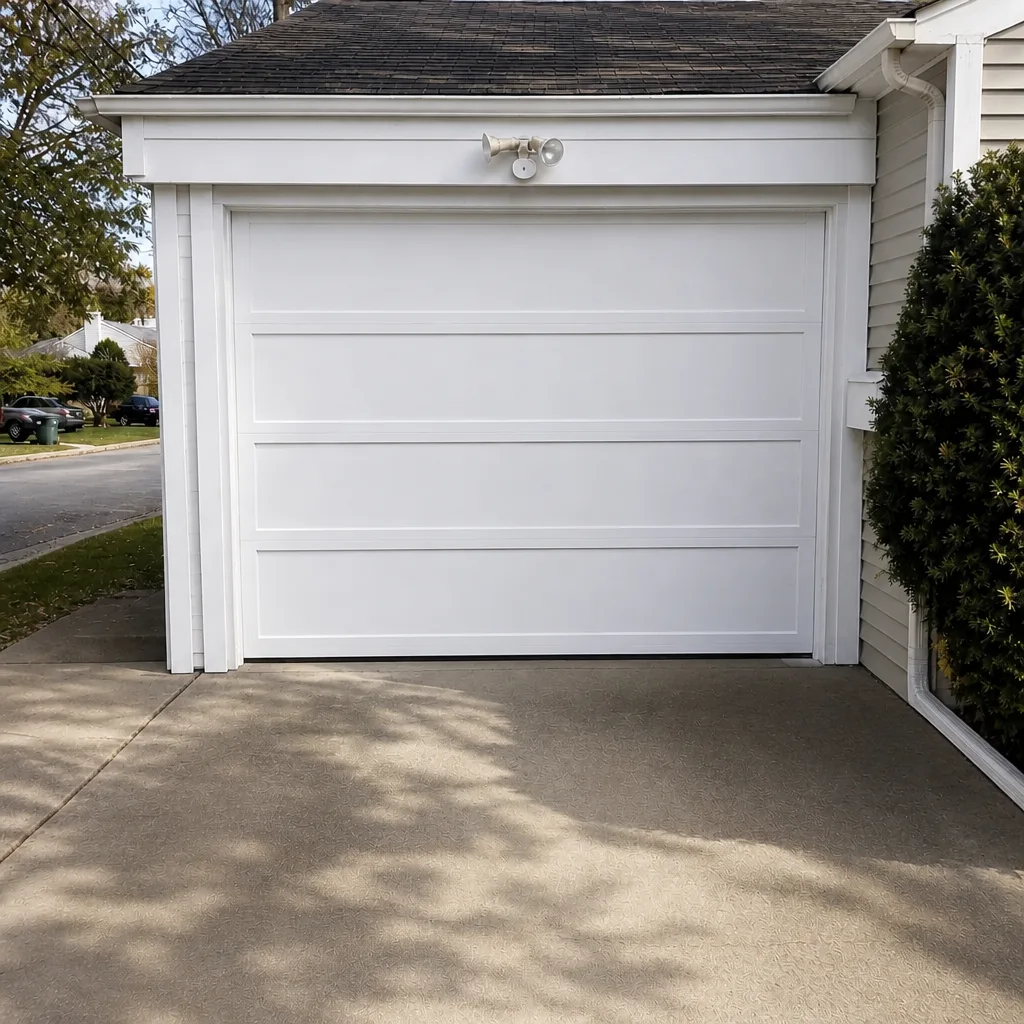 After
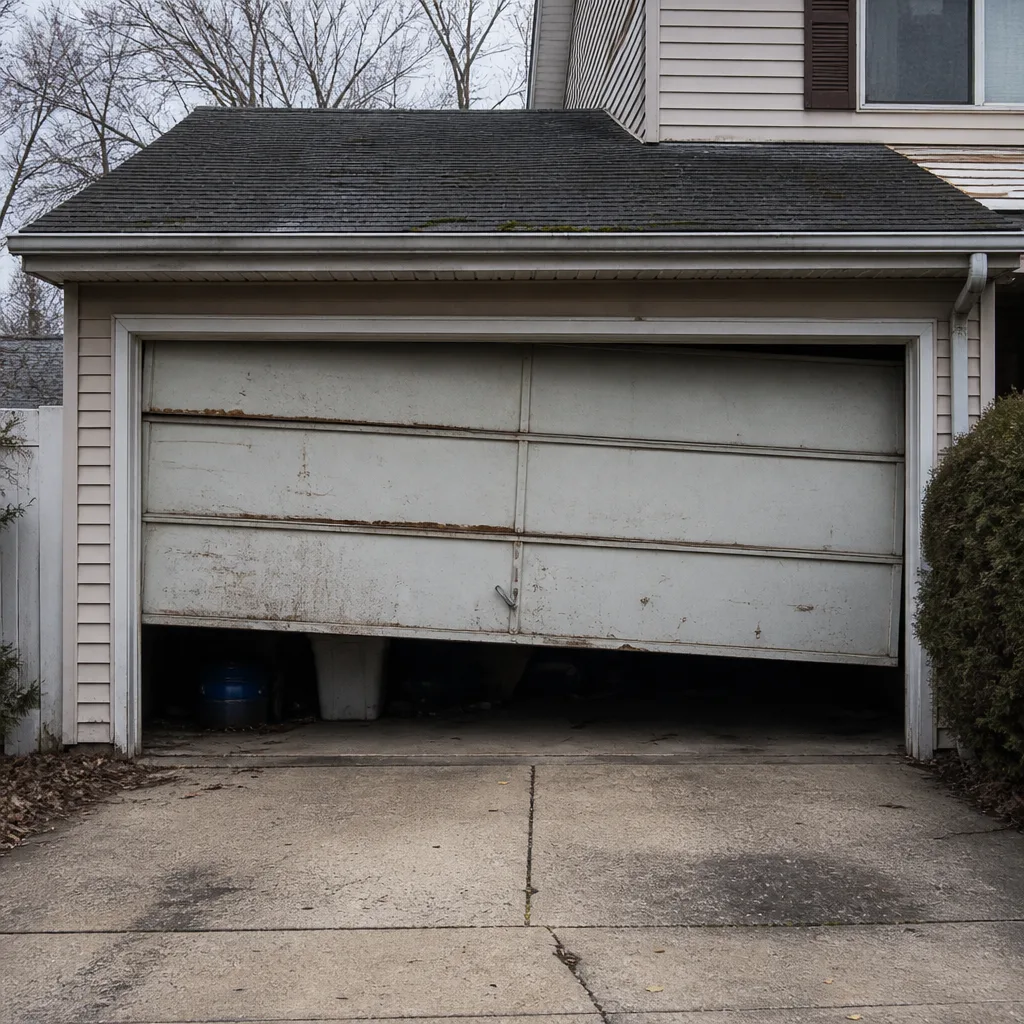 Before
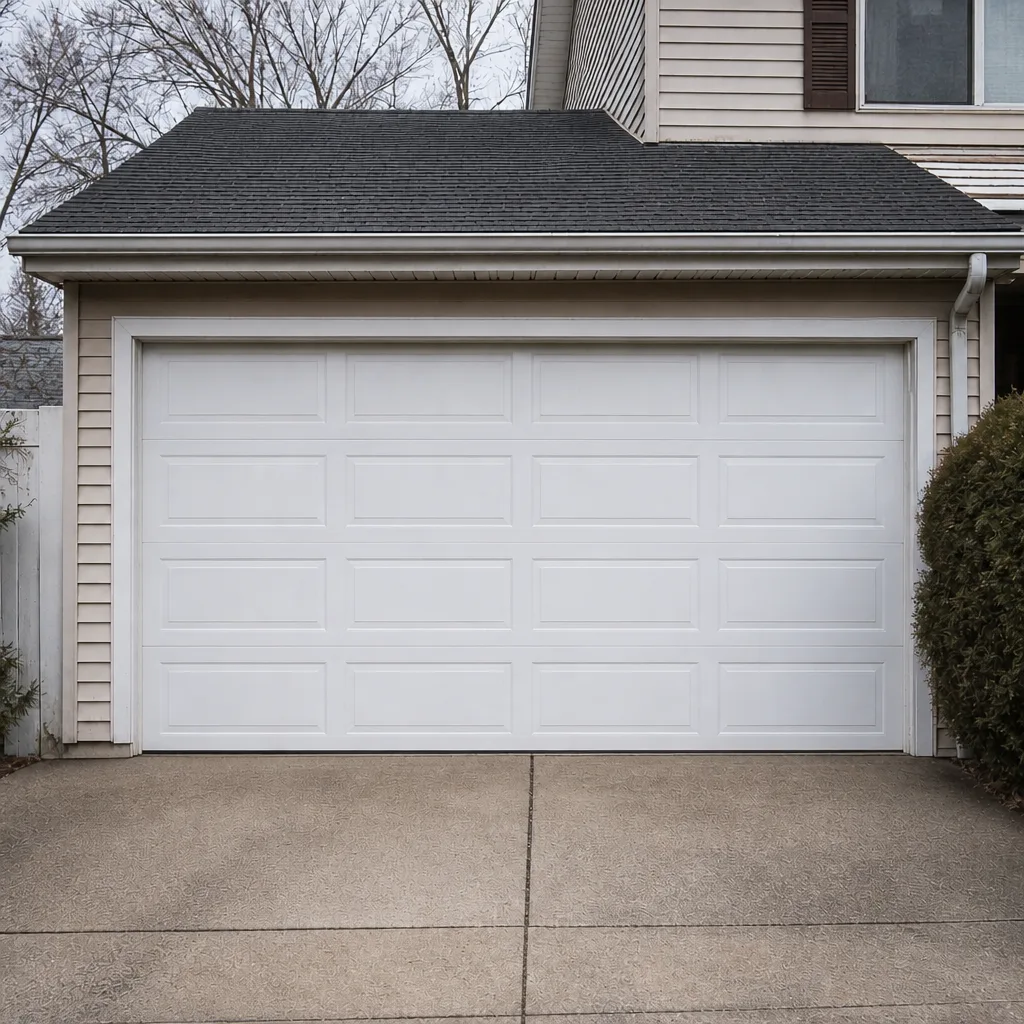 After
Common Mistakes to Avoid
- Lubricating tracks. It feels right and it isn’t. Grease or oil in a track collects grit and accelerates roller wear, which is a classic way to turn a smooth door into a loud one. Tracks should stay dry.
- Using the wrong product on springs. Household oil and WD-40 aren’t the same as a spring lubricant. In a humid Middletown Township summer, the wrong product attracts dust and does nothing for rust, while a light spring lubricant slows the corrosion that kills springs.
- Skipping the auto-reverse test. It’s the single most important safety test on the door and the one most homeowners never run. Do it at least quarterly, and always after a power outage.
- Assuming a reversing door is an opener problem. A door that reverses erratically is just as likely to have binding tracks or worn rollers. Throwing an opener at a misaligned door wastes money.
- DIYing the balance test badly. A door that drops during the balance test is a door with a spring problem. Don’t keep using the opener on it “to see if it gets better.” It won’t.
- Ignoring a cracked bottom seal because “it’s just the seal.” That seal is what stops water from reaching your door’s bottom section, tracks, and stored goods. Small seal, big consequences.
- Setting the down-limit too tight. If the door hits the floor and the opener keeps pushing, the seal compresses, wears out fast, and the opener’s force setting masks it. Get it adjusted.
When to Call a Professional
Call a professional whenever the symptom involves springs, cables, opener wiring, or a door that binds, drops, or reverses unpredictably. Also call if a car impacts the door, if the door comes off one track, if you hear a loud bang from the garage followed by a door that won’t open, or if your bottom seal has separated and the door’s bottom section shows rust. Those scenarios aren’t tune-up items – they need a trained technician on site. Middletown Garage Door Repair Co offers free estimates in Middletown Township – call (855) 901-9068. We answer 24/7, with fast dispatch from 7am to 7pm, Sunday through Friday, and our technicians have up to 10 years of experience across eight major brands, so the diagnosis matches the door you actually have. If a door fails at a bad hour, that’s what our Middletown Garage Door Repair Co team is here for.
Frequently Asked Questions
Once a year is the right rhythm for a professional tune-up, with quarterly self-checks and twice-yearly lubrication on top. The Monmouth County climate – humid summers and freeze-thaw winters – makes a spring-and-fall lubrication schedule worth keeping. Homeowners in older neighborhoods with wood-framed garage openings should be especially diligent about track and balance checks. Call (855) 901-9068 for a free estimate if you’re overdue.
You can spray the coils of a torsion spring from a distance, with the door closed, using a spring lubricant. That light film slows rust. What you must not do is touch, adjust, wind, or unwind the spring – it’s under enormous tension and belongs to a trained technician. If a spring looks rusty, sounds different, or the door won’t balance, call us for spring service rather than trying to work on it.
In humid Middletown Township summers, the most common causes are an opener force setting that’s too high, a down-limit that’s too tight, or a failing logic board. Run the auto-reverse test and check the bottom seal for swelling or debris. If the door reverses intermittently in warm weather, get it checked – that pattern often points to the opener’s internal electronics, and catching it early avoids a stranded car.
Spring replacement is priced per spring, with the estimate written before any work starts. A matched pair usually gets replaced together, so plan for the cost of two. We don’t quote from a template – the price depends on which spring, which door, and the condition of the cables and drums. Call (855) 901-9068 for an exact quote. The estimate is free and the written price is what you pay.
It’s safe to operate, but it isn’t smart to ignore. A cracked or separated seal lets in water, cold air, insects, and small animals, and the water reaches the door’s bottom section and the track anchors. In a freeze-thaw winter, water trapped at the seal also cracks the seal further. Have it replaced – it’s a straightforward fix and worth doing before the next freeze.
We work on LiftMaster, Chamberlain, Genie, Craftsman, Clopay, Amarr, Wayne Dalton, and Raynor equipment. That covers the openers and doors installed in most Middletown Township homes, and our technicians arrive familiar with the specific hardware, not figuring it out on arrival. Call (855) 901-9068 and tell us the brand and model – the diagnosis starts there.
The Bottom Line
Garage door maintenance isn’t a long list of chores. It’s four quarterly checks, two lubrication passes a year, and one professional tune-up – calibrated to the specific ways Middletown Township’s climate and housing stock wear a door down. Do the balance test, the force test, and the auto-reverse test this month. Look at your bottom seal after the next cold snap. Leave the springs and cables alone. And when a symptom points to something serious – a bang, a door that won’t balance, an opener that reverses for no reason – get it looked at by a trained technician instead of rolling the dice. One call covers repair, opener work, spring replacement, and full installation, so you’re not tracking down a second company mid-problem. Call (855) 901-9068 for a free estimate. We answer 24/7, with fast dispatch from 7am to 7pm, Sunday through Friday.
Written by the team at Middletown Garage Door Repair Co.