
Last updated November 21, 2026
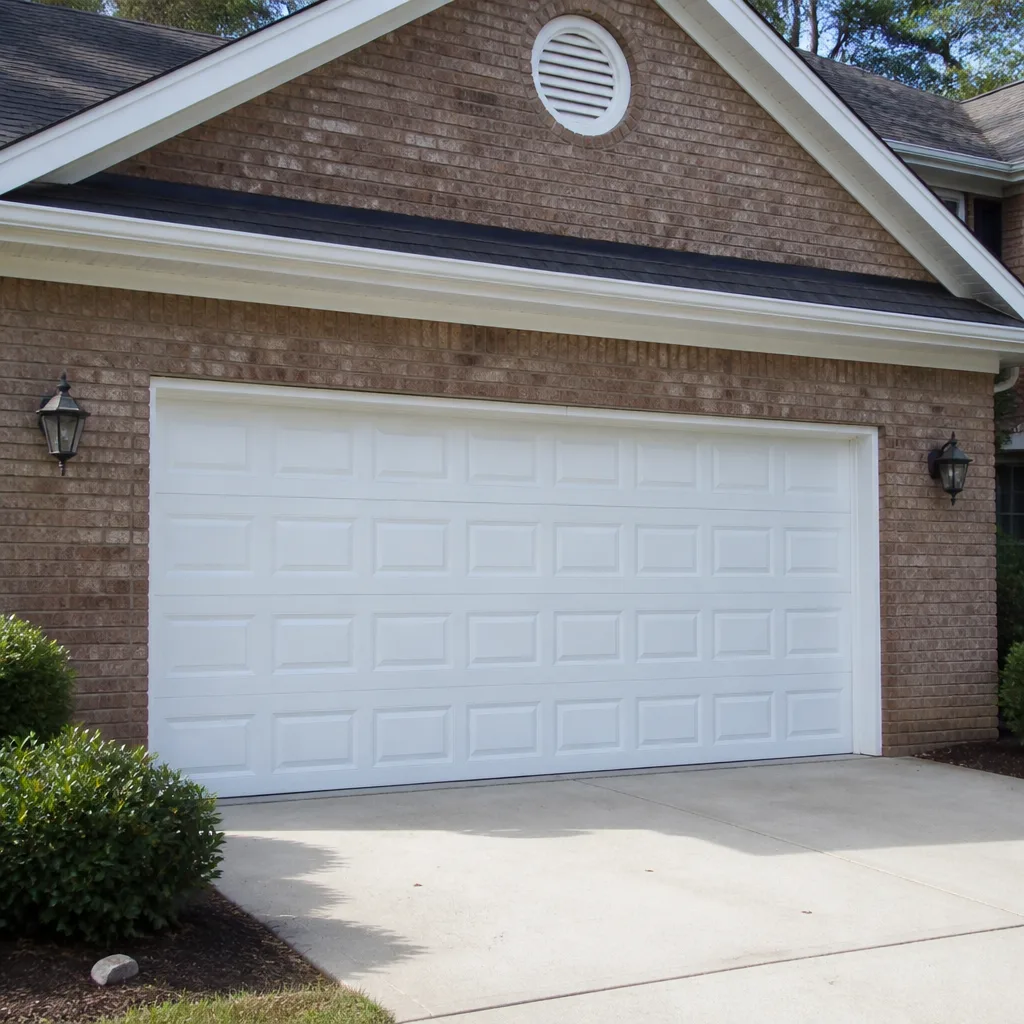 Raised-panel steel
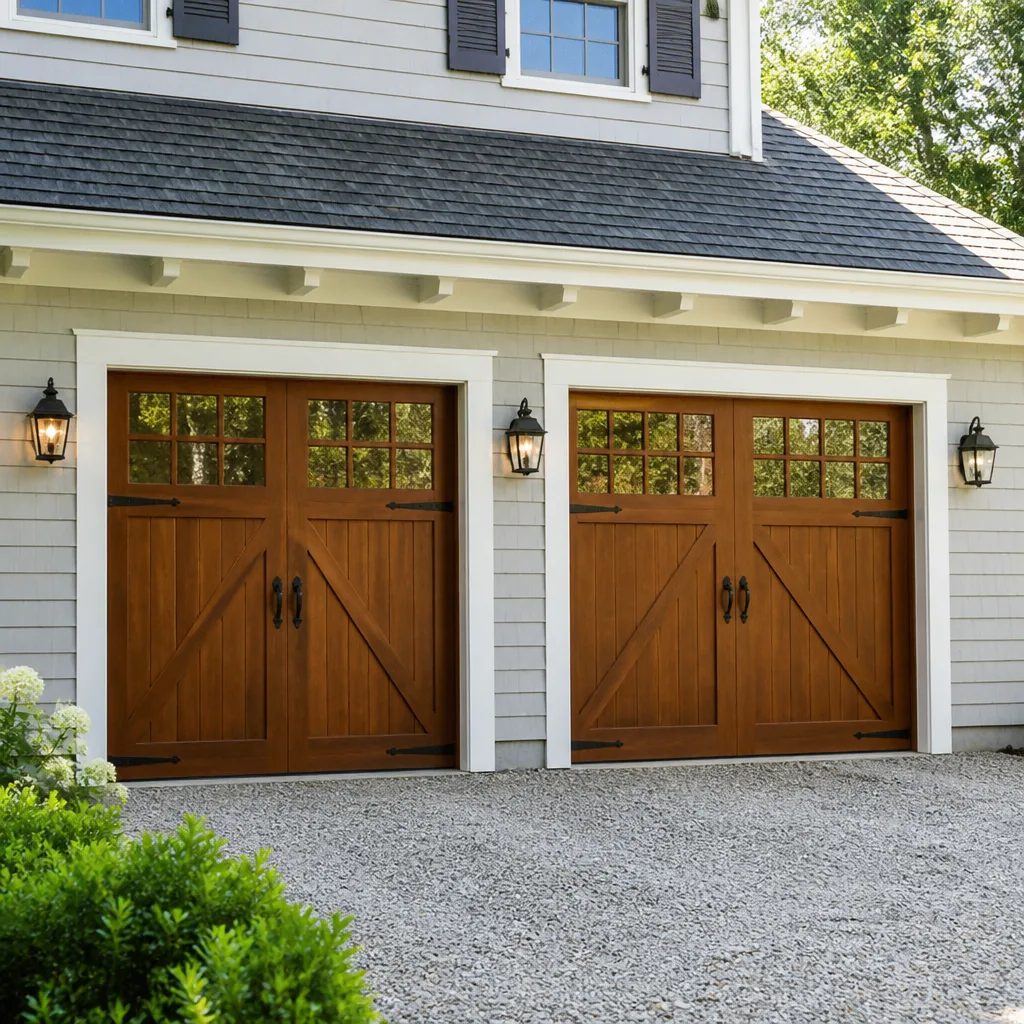 Carriage house
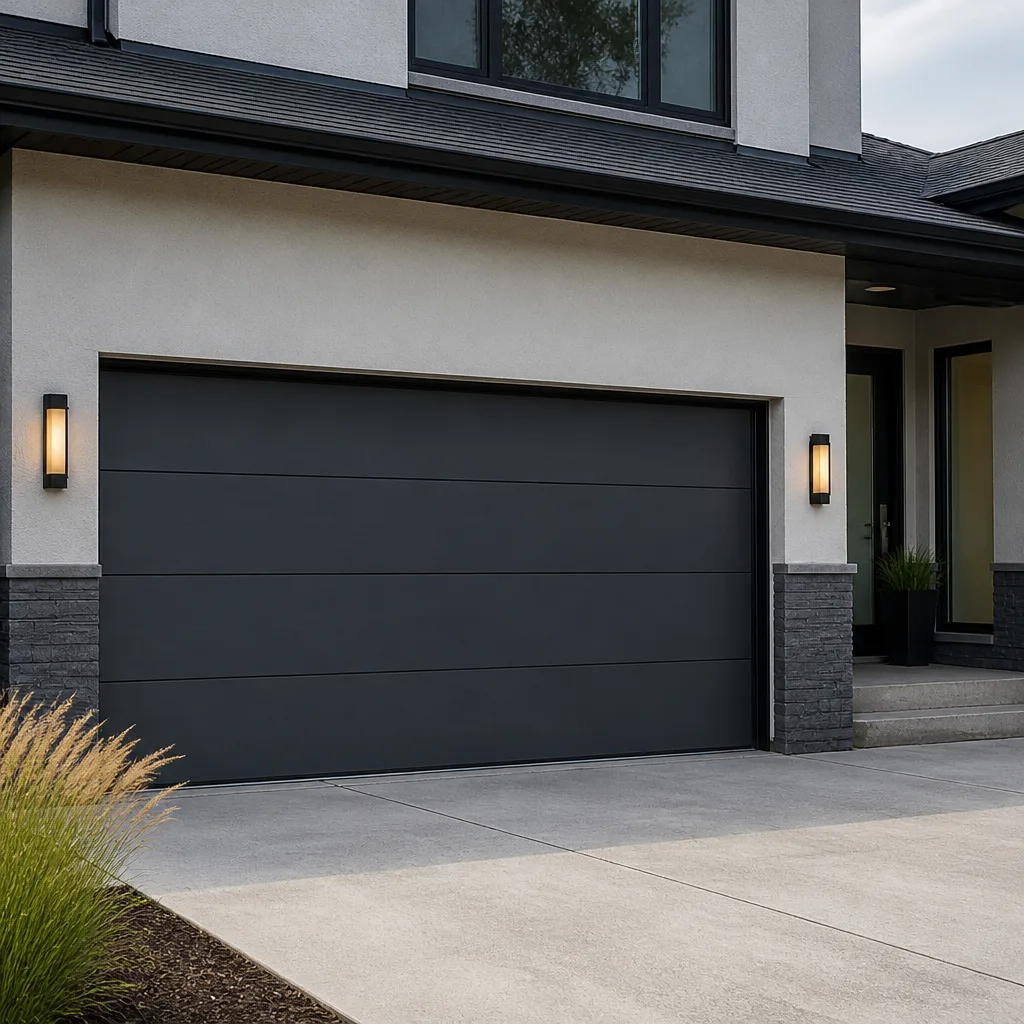 Modern flush
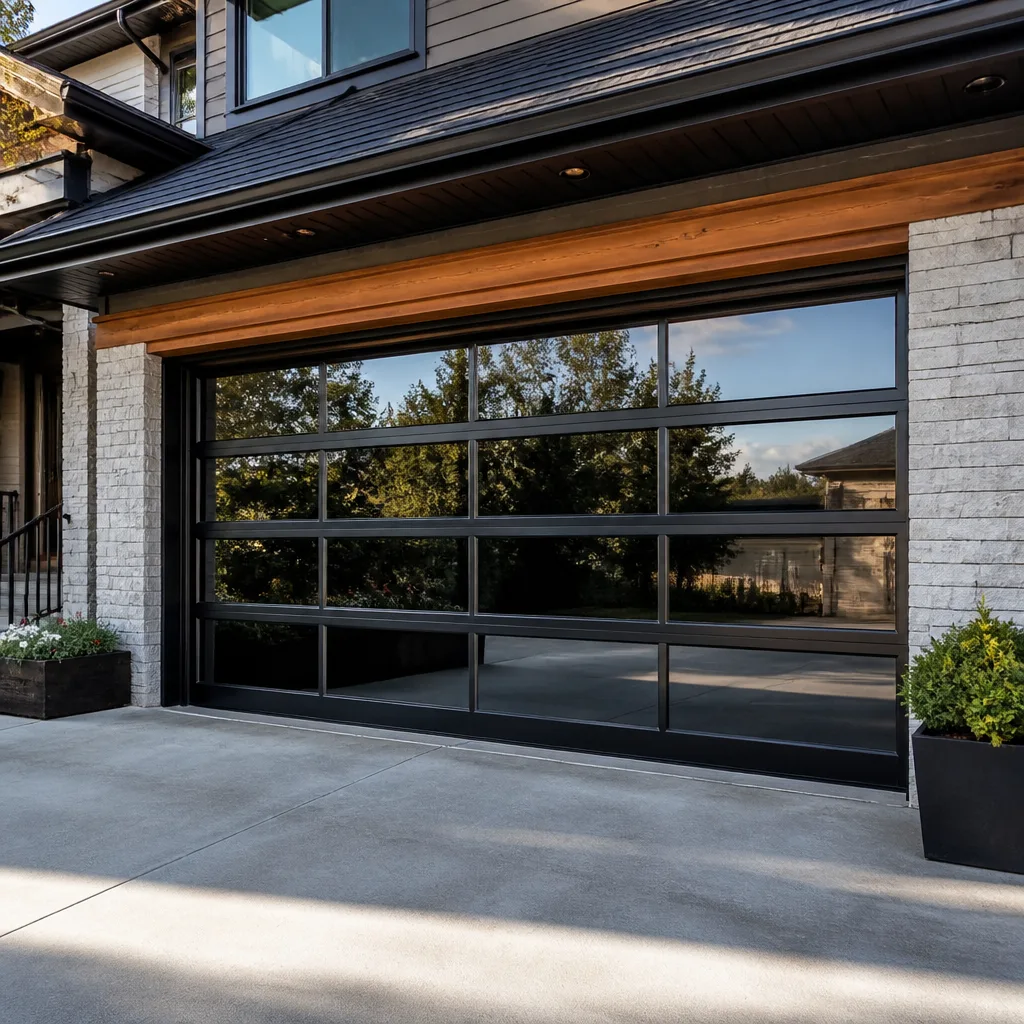 Full-view glass
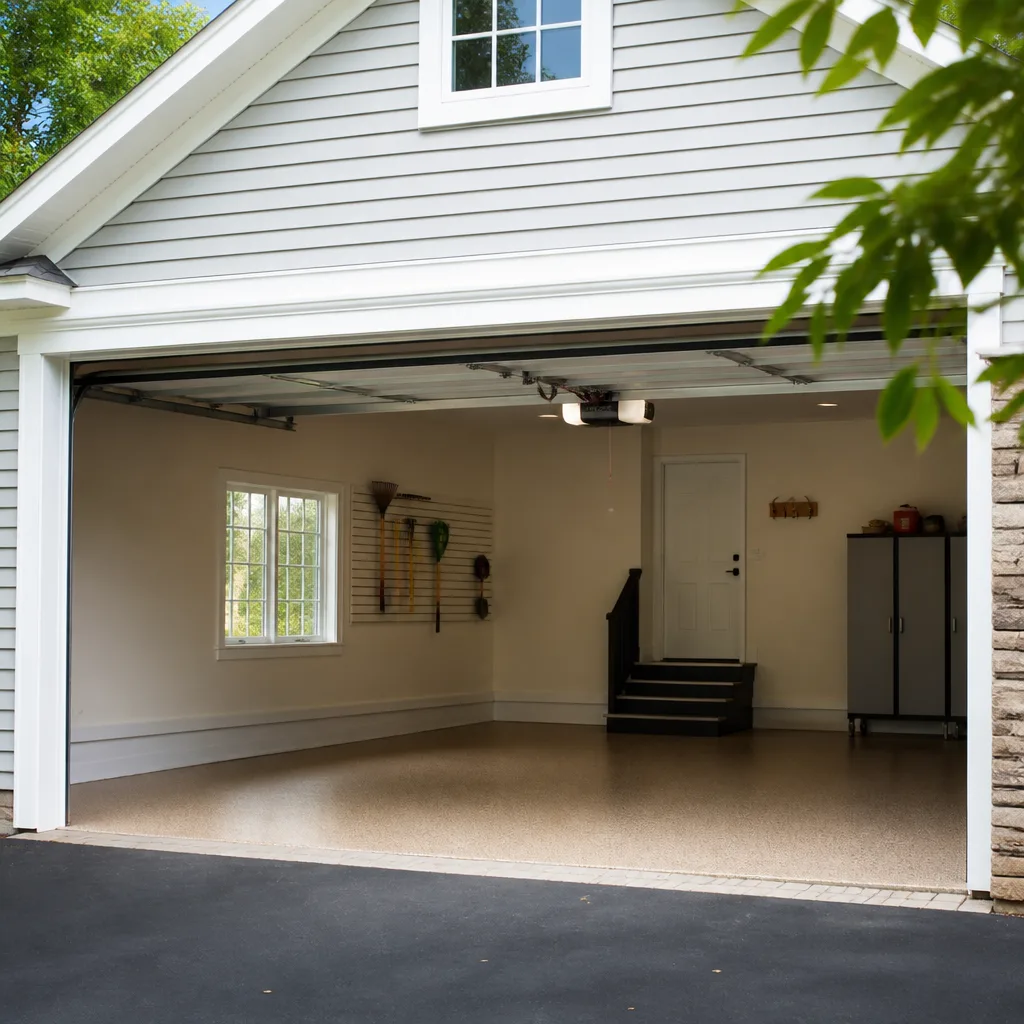 LiftMaster openers
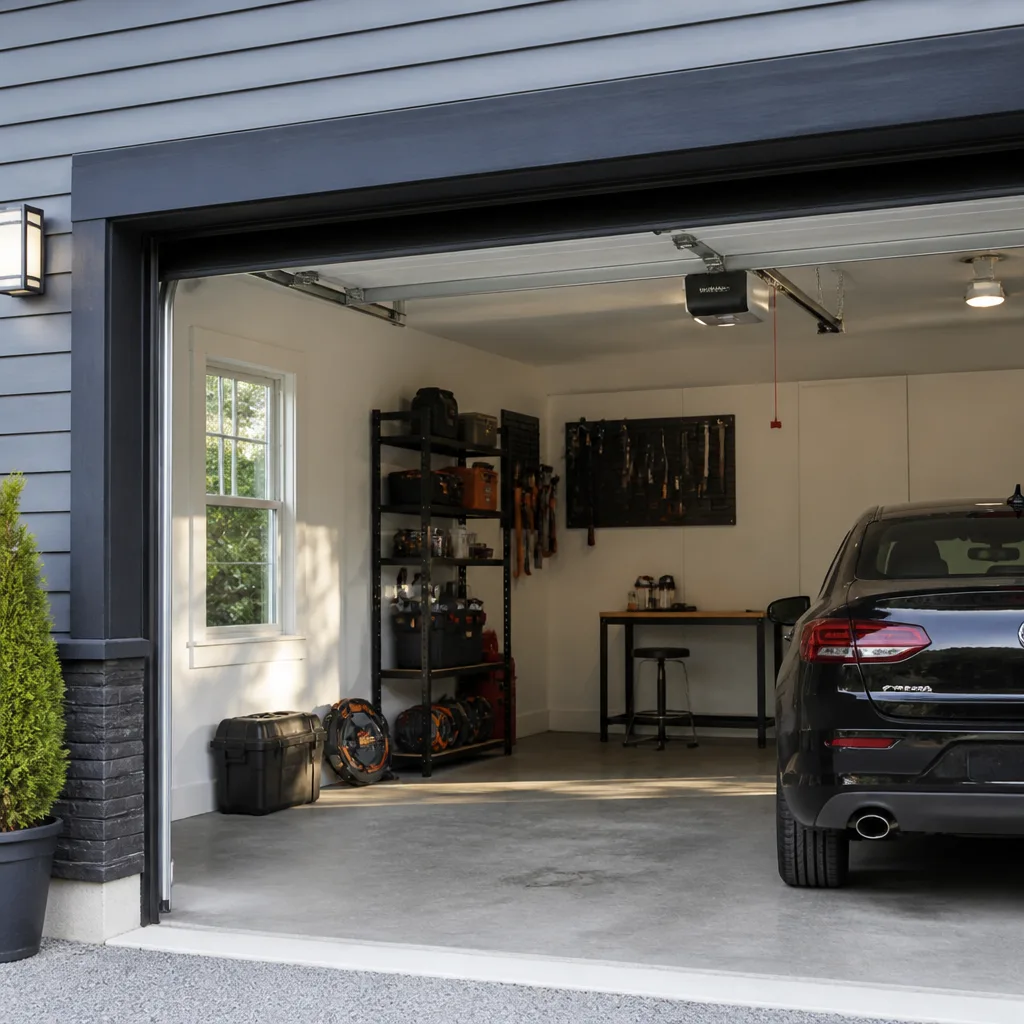 Chamberlain openers
Full 25-point door and opener safety check with every visit - springs, cables, rollers, tracks, and your LiftMaster or Chamberlain opener included
You get a price before we start. It does not change when the pro arrives.
Get your free estimateSeasonal Garage Door Care for Middletown Township: Year-Round Homeowner’s Guide
Most homeowners treat a garage door like a roof: ignore it until it fails, then panic. That approach costs more here than in a lot of places, because Middletown Township doesn’t run through four gentle seasons. It runs through four different kinds of stress. February alone can swing forty degrees in two days, and that freeze-thaw cycle is why springs snap and bottom seals crack while it’s still technically winter. Nor’easters grind sand and grit into your tracks. August humidity bakes opener circuit boards in attached garages that trap heat like an oven. This guide walks you through each season in turn, tells you which component is most likely to fail before the weather turns, and gives you a printable month-by-month task card. You’ll finish knowing what to check yourself and what to leave to a technician.
Quick Answer
Seasonal garage door care in Middletown Township means matching your maintenance to the weather that’s actually coming. Before winter, focus on the bottom seal, spring lubrication, and opener sensitivity so the door lifts cleanly when cold thickens the grease and adds weight. After freeze-thaw season, inspect tracks, rollers, and hinges before assuming the door survived intact. Through summer, manage heat and humidity around the opener. A reasonably careful homeowner can handle most of the inspection work; springs, cables, and opener electronics should go to a trained technician.
Styles & brands we work with
- Raised-panel steel
- Carriage house
- Modern flush
- Full-view glass
- LiftMaster openers
- Chamberlain openers
Table of Contents
- Why Seasonal Care Matters More in Middletown Township
- Fall Prep: What Actually Fails in a New Jersey Winter
- Winter Troubleshooting: Frozen Doors, Stuck Panels, and When to Stop
- Spring Checklist After Freeze-Thaw Season
- Summer Heat and Humidity: The Opener’s Hardest Months
- The Month-by-Month Task Card
- Common Mistakes to Avoid
- When to Call a Professional
Why Seasonal Care Matters More in Middletown Township
Garage doors fail on a schedule, and that schedule is set by the weather. A torsion spring is a coil of steel under constant tension, and every temperature swing expands and contracts it slightly. One February in Middletown Township can deliver three freeze-thaw cycles in a single week. Do that for a few winters and the metal fatigues faster than it would in a climate with a slow, steady cold. That’s the physical reason springs snap on cold mornings more often than warm ones.
The same logic applies across the system. Cold thickens lubricant until rollers drag and the opener pulls harder. Summer heat warps wood-look panels and cooks the electronics on the wall or ceiling. Humidity rusts hinges and rolls grit into the tracks. Each season puts the pressure on a different part, and knowing which one is next up is the whole point of a care plan.
Middletown Township also has a housing mix that matters. A lot of the housing stock is older, with detached garages and original hardware that has been through decades of this. Newer construction tends toward attached garages that trap heat in summer. Both types need seasonal attention; they just need it in different places.
Here’s the framework we use. If you remember nothing else from this guide, remember this:
- Fall: prepare the seal, springs, and opener for cold.
- Winter: troubleshoot freezing and never force anything.
- Spring: inspect everything cold weather may have loosened.
- Summer: protect the opener from heat and the hardware from humidity.
We work on eight major brands – LiftMaster, Chamberlain, Genie, Clopay, Amarr, Wayne Dalton, Craftsman, and Raynor – and the failure points track the seasons no matter whose name is on the label. A Craftsman opener overheats the same way a LiftMaster does. A Raynor door freezes to a floor the way a Clopay does. The brand tells you how a part is built; the season tells you when to look at it.
Fall Prep: What Actually Fails in a New Jersey Winter
Fall prep isn’t about being thorough for its own sake. It’s about the three or four things that actually break in a cold New Jersey winter, done before the first hard freeze. Get these right and you’ll skip most of the winter problems in the next section.
1. Inspect the bottom seal
The rubber or vinyl bottom seal is the first line of defense and the first thing cold destroys. Run your hand along it and look for cracks, flat spots, or sections pulling away from the retainer. A cracked seal lets cold air, water, and snowmelt under the door, which accelerates rust on the bottom panel and can leave ice on the floor where the door meets it. If the seal is stiff or crumbling, replace it before winter. It’s one of the cheaper parts on the door and one of the most important.
2. Lubricate springs and moving parts before cold sets in
Cold reduces the viscosity of grease, so whatever lubrication is on your springs and rollers is thinner and less effective in January than it was in October. Use a proper garage door lubricant – not WD-40, which is a solvent, not a lubricant – on the torsion springs, hinges, rollers, and bearing plates. Apply it while temperatures are still mild so it settles into the metal before the cold. A properly lubricated spring operates more smoothly and, over time, lasts longer. On torsion springs, this is a genuinely useful thing a homeowner can do. On extension springs under tension and on the cables themselves, leave them alone and call a technician; those are injury risks, not maintenance tasks.
3. Adjust opener sensitivity for cold-weather door weight
A cold door is a heavier door. The steel stiffens, the grease thickens, and the opener has to work harder to lift it. Modern openers have a sensitivity or force adjustment that tells the motor how much resistance to overcome before it reverses. If that setting was dialed in during a warm month, the opener may strain or reverse on a cold morning. Check that the door balances properly when you disengage it, then have a technician confirm the force settings are right for the season. Some openers, including many LiftMaster and Chamberlain models, have a learn button and adjustment dials under the light cover; a technician can set these correctly in a few minutes.
4. Clear the tracks and check the hardware
Clean the tracks with a rag and a light solvent, then check the bolts on the hinges and the brackets. Loose hardware rattles more in cold weather as the metal contracts. Tighten what you can reach comfortably without putting your hands anywhere near the torsion spring, the cables, or the bottom brackets. If a bolt won’t tighten or looks stripped, note it and mention it to a technician.
If your door is older or you’re unsure of its condition going into winter, a professional inspection is worth the time. Our garage door repair work often starts with exactly this kind of fall check, and it catches the problems before they strand you in January.
Winter Troubleshooting: Frozen Doors, Stuck Panels, and When to Stop
Winter in Middletown Township produces two failures that don’t happen much elsewhere: doors freezing to the floor, and openers straining against a door that won’t move. Both are manageable if you handle them correctly and dangerous if you don’t. The single rule that covers both: never force a frozen door, and never stand under one you’re trying to free.
Why garage doors freeze to the floor
It happens when snowmelt runs under the bottom seal and refreezes overnight, or when the seal itself gets wet and freezes to a concrete floor. The door isn’t broken; it’s bonded to the slab by ice. The warning signs are subtle. The opener may hum and reverse immediately, or it may pull the bottom panel up an inch or two with a tearing sound. If that happens, stop. Turn the opener off and don’t try again.
How to release a frozen door safely
Safety here is mostly about not doing the obvious wrong thing. Follow this order:
- Turn off the opener at the wall switch or disconnect it, so nobody accidentally hits the remote while you’re near the door.
- Break the ice bond. A plastic scraper or a rubber mallet tapped gently along the bottom of the door, from a standing position beside it, will usually crack the seal loose. Never use a metal tool that might scratch or bend the panel, and never stand in front of the door while doing it.
- Once the door is free, lift it by hand about a foot and check that it moves smoothly. If it catches or binds, close it and call a technician; the freeze may have damaged the seal, the bottom bracket, or a hinge.
- Clear snow and ice from the apron in front of the door and from the seal itself before you operate the door again.
When to leave the opener out of it
If the door is frozen, the opener is not your friend. Forcing the motor to lift a door that’s bonded to the floor stresses the motor, the gear, and the torsion spring simultaneously. The safest sequence is: disconnect the opener, free the door by hand, then reconnect. If the opener itself was the thing that failed – it hums but doesn’t lift, or it clicks and nothing happens – that’s a job for garage door opener repair, not a DIY fix. Opener electronics involve capacitors that hold a charge and springs that store enormous energy, and those are not parts to open up on a cold afternoon.
The one winter problem to never touch
A torsion spring that snaps in cold weather is the most dangerous failure on a garage door. The spring is under tremendous tension, and when it breaks it can whip a cable or send a chunk of metal across the garage. Never try to replace a torsion spring yourself, and never try to reattach a cable that’s come loose. Call a professional. Our garage door spring repair work is exactly this kind of job, done safely with the right tools.
Spring Checklist After Freeze-Thaw Season
March and April in Middletown Township are the months when you find out what winter did to your door. The freeze-thaw cycle doesn’t just stress springs; it lifts concrete, warps seals, and loosens fasteners. Before you assume everything survived intact, work through this checklist.
The safe-check inspection routine
- Look at the whole door from a distance. Stand back and check that the panels are still straight and level. A door that was fine in November but looks slightly out of alignment now may have a bent track or a bent hinge.
- Check the tracks for bends and debris. Run your hand along the inside of each track. You’re feeling for kinks, dents, and grit. A small bend near the bottom is common after a winter of ice and grit, and it’s minor if you catch it early.
- Test the balance. Disconnect the opener and lift the door by hand to about halfway. It should hold there with minimal effort. If it drops, or if it wants to lift itself, the springs need attention.
- Check the bottom seal again. The seal that was fine in October may have cracked or torn over the winter. Replace it now before spring rain gets under it.
- Inspect the hinges and rollers. Look for rust, cracked nylon, or loose screws. A roller that has flat-spotted over winter will make the door noisy and jerky.
- Run the opener and watch the door’s motion. It should travel smoothly and evenly. Any reversing, jerking, or stopping partway is a signal to stop and get it checked.
- Test the safety reverse. Put a roll of paper towels or a two-by-four on the floor under the door and run the door down. It should reverse on contact with the object. If it doesn’t, the opener’s safety system needs adjustment before you use the door again.
What “survived intact” actually looks like
After a hard winter, most doors that “look fine” have one or two small issues that haven’t shown themselves yet: a slightly bent track, a hinge with a loose screw, a spring that has lost a little of its lift. Catching these in spring is what keeps you out of a stuck-door situation in June. If something in the checklist looks off and you’re not sure what you’re looking at, we can take a look. Book a free estimate through Middletown Garage Door Repair Co and we’ll tell you exactly what the door needs.
Summer Heat and Humidity: The Opener’s Hardest Months
Summer in Middletown Township is when the opener earns its keep and takes its beating. It’s not the outdoors that’s the problem – it’s the garage itself. Most attached garages have no climate control, a roof that radiates heat, and little airflow. In August, the air temperature inside a typical garage can climb well above the outdoor temperature, and the electronics mounted on the ceiling or wall get the worst of it.
Why summer breaks openers and how to slow it down
An opener is a motor, a control board, and a radio receiver packed into a plastic housing. The board handles power management and safety logic, and heat degrades it over time. Circuit boards that run hot fail faster than ones that don’t, and the combination of heat and humidity is worse than heat alone. In our experience, an opener that’s about to fail in summer usually shows warning signs first: it runs longer than it should, the light flickers or stays on, the remote becomes unreliable, or the motor sounds strained. If you notice any of these, get it checked before the heat of summer finishes the job.
Ventilation options that extend hardware life
You can lower the temperature in your garage without air conditioning. The most effective options:
- Garage door vents. Some door panels can be fitted with vent inserts that let hot air escape near the ceiling. This is common on newer Amarr and Clopay doors, and can sometimes be added to older doors with compatible panels.
- A permanent side vent or roof vent. If your garage has an accessible exterior wall or roof, a small fixed vent installed by a contractor lets the hot air out and the cool air in. It’s passive, cheap to run, and significantly reduces the peak temperature.
- Crack the garage door slightly on very hot days. A garage door that’s left a foot or two open during the hottest part of the day lets heat escape. Not a fix, but a helpful daily habit on 95-degree afternoons.
Humidity and the hardware
Summer humidity is the other half of the problem. Hinges, rollers, and the springs themselves rust faster in humid air, especially in garages that share a wall with a conditioned house and trap moisture. Lubricate the moving parts in June, and again in September if you have time. Spring lubrication does double duty: it reduces friction and helps protect the metal from moisture.
Your car trapped in a hot garage
A minor thing that matters in summer: if the opener fails and you can’t get the door up, the emergency release cord lets you lift the door by hand. It’s usually a red or yellow cord hanging from the opener’s rail. Pull it down and away from the door (not toward you), then lift the door manually. That’s the safe way to get your car out. Then call for repair before you reconnect it.
The Month-by-Month Task Card
Print this and stick it on the garage wall. It’s written for Middletown Township specifically, so the timing matches the weather here rather than a generic calendar.
January
- Clear snow and ice from the door apron before using the door.
- Listen for unusual sounds when the door opens. A grinding or snapping sound means stop and call.
- Never force a door that’s frozen to the floor.
February
- Check the bottom seal for cracks after the coldest stretch.
- Test the safety reverse (object under the door).
- Watch the wall switch for flickering; it’s an early sign the opener is straining.
March
- Run the full spring checklist: panels, tracks, balance, seal, hinges, rollers, opener, safety reverse.
- Replace the bottom seal if cracked.
- Lubricate hinges and rollers.
April
- Check the exterior of the door for warping or rust, especially at the bottom.
- Look at the metal threshold or apron slab for cracking or frost damage.
- Have the opener’s force settings checked if the door was running rough over winter.
May
- Lubricate all moving parts before the summer heat arrives.
- Check the balance again; spring-broken doors often feel “heavy” without making noise.
- Inspect door panels for heat warping if you have an older or wood-look door.
June
- Clear obstructions from the garage so heat can escape.
- Check the opener’s ventilation and consider passive venting if the garage runs hot.
- Test the safety reverse again; the sensor can drift in heat.
July
- Watch for opener warning signs: longer run time, flickering light, unreliable remote.
- Clear the sensors at the bottom of the tracks from dirt and insects.
- Lubricate hinges and rollers again if the garage is humid.
August
- Check the exterior door finish and repaint or seal any peeling spots before fall.
- Test the door balance; if it’s drifting, springs may be weakening.
- Clean the tracks and inspect for rust.
September
- Begin fall prep: inspect the bottom seal, clean the tracks, tighten what you can reach.
- Lubricate springs, hinges, rollers, and bearings before the cold.
- Have the opener’s sensitivity checked for winter door weight.
October
- Replace a worn bottom seal.
- Test the safety reverse before winter.
- Check the door’s weatherstripping around the frame for gaps.
November
- Clear the area around the door of leaves and debris before snow.
- Final check of tracks and hardware before the first freeze.
- Confirm opener force settings for cold weather.
December
- Watch for freezing at the seal on cold mornings.
- Clear snow from the apron before you run the door.
- Test the door by hand once before the season’s worst weather.
Common Mistakes to Avoid
- Using WD-40 on springs and hinges. WD-40 is a solvent, not a lubricant. It displaces moisture and then evaporates, leaving the metal drier than before. Use a proper garage door lubricant and apply it in fall and spring.
- Forcing a frozen door up with the opener. This is the most common way to turn a frozen door into a broken opener or a snapped spring. Disconnect the opener, free the door by hand, then reconnect.
- Ignoring a cracked bottom seal in fall. A cracked seal lets water freeze under the door and can bond it to the floor. It’s an inexpensive fix that prevents expensive ones.
- Trying to adjust or replace torsion springs yourself. These springs store enormous energy. A spring that snaps under tension can injure you. This is one of the most dangerous repairs on a garage door, and it belongs to a trained technician. Never handle it yourself, no matter how straightforward the video looks.
- Skipping the safety reverse test. A door that doesn’t reverse on contact can crush a child or a pet. Test it in spring and again in fall, and if it doesn’t reverse, keep the door closed until it’s fixed.
- Letting the opener run hot in summer. A warm garage plus a strained motor is a failing circuit board. If the opener is showing warning signs, get it checked before the end of summer.
- Assuming a “quiet” door is a safe door. A door can fail without warning – a spring at the end of its life can snap on a perfectly ordinary morning. Seasonal checks are how you catch it before it does.
When to Call a Professional
Some things are worth your Saturday morning, and some aren’t. Spring replacement, cable replacement, opener board or motor issues, track replacement, and any situation where the door is off its tracks or has come down crooked all belong on the professional list. So does a door that reverses for no obvious reason, hums without moving, or makes a snapping sound. If you can’t lift the door by hand with reasonable effort, or the door won’t hold itself halfway up, the springs are the likely culprit and they need a trained eye.
Middletown Garage Door Repair Co offers free estimates in Middletown Township – call (855) 901-9068. We answer 24/7, and our technicians have up to 10 years of experience with the major brands, including LiftMaster and Chamberlain openers, Clopay and Raynor doors. If it’s an emergency – a door hanging off its tracks, a spring that’s snapped, a car trapped inside – we handle emergency calls as a standard part of what we do, not an upsell. One call covers the repair, the opener, the spring, and the door itself, so you don’t have to track down a second company for the second problem.
See the difference
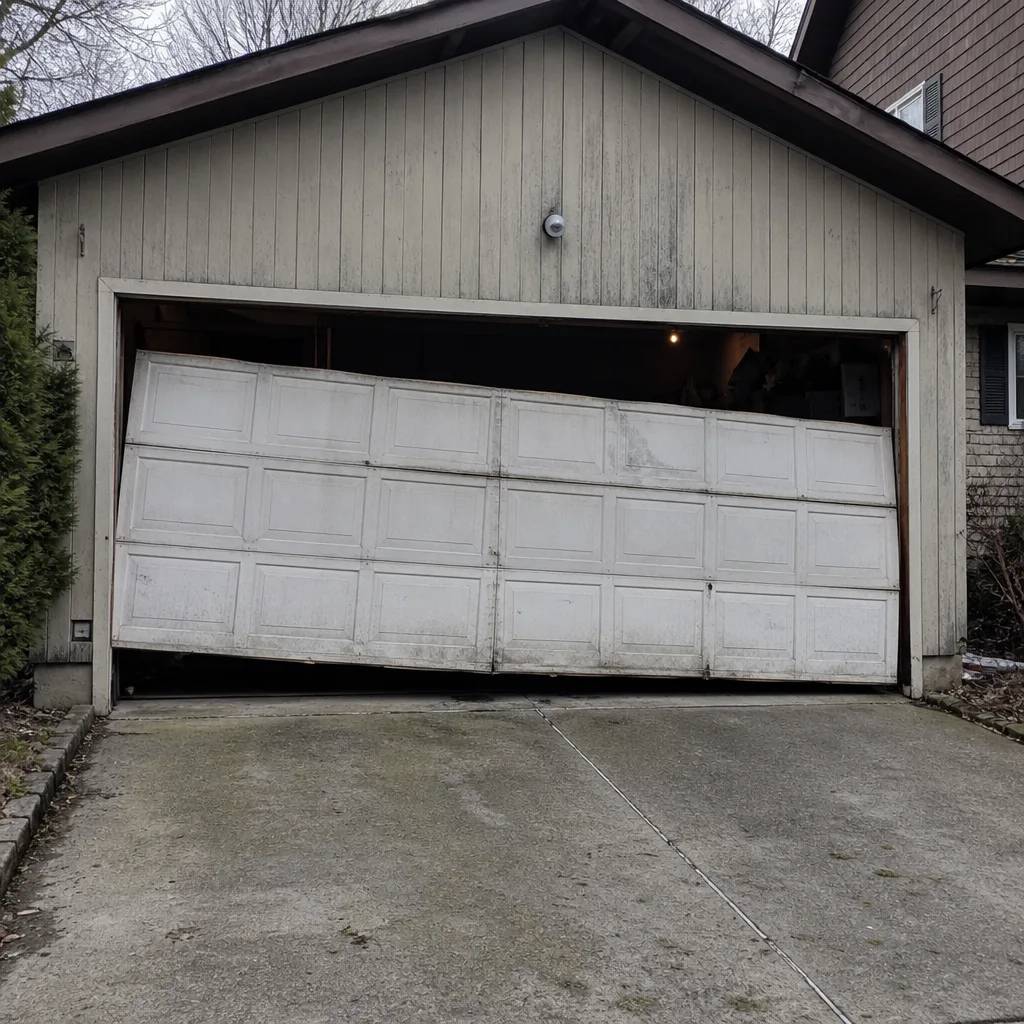 Before
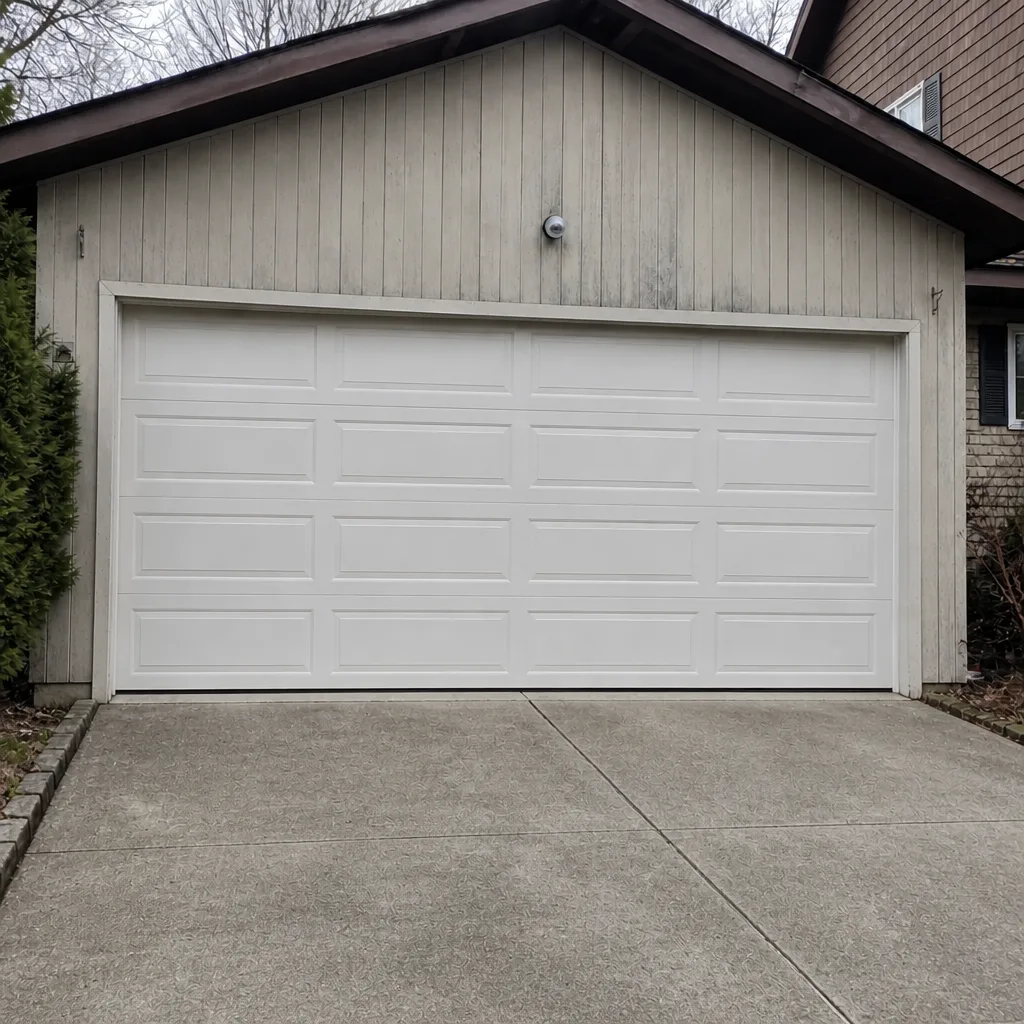 After
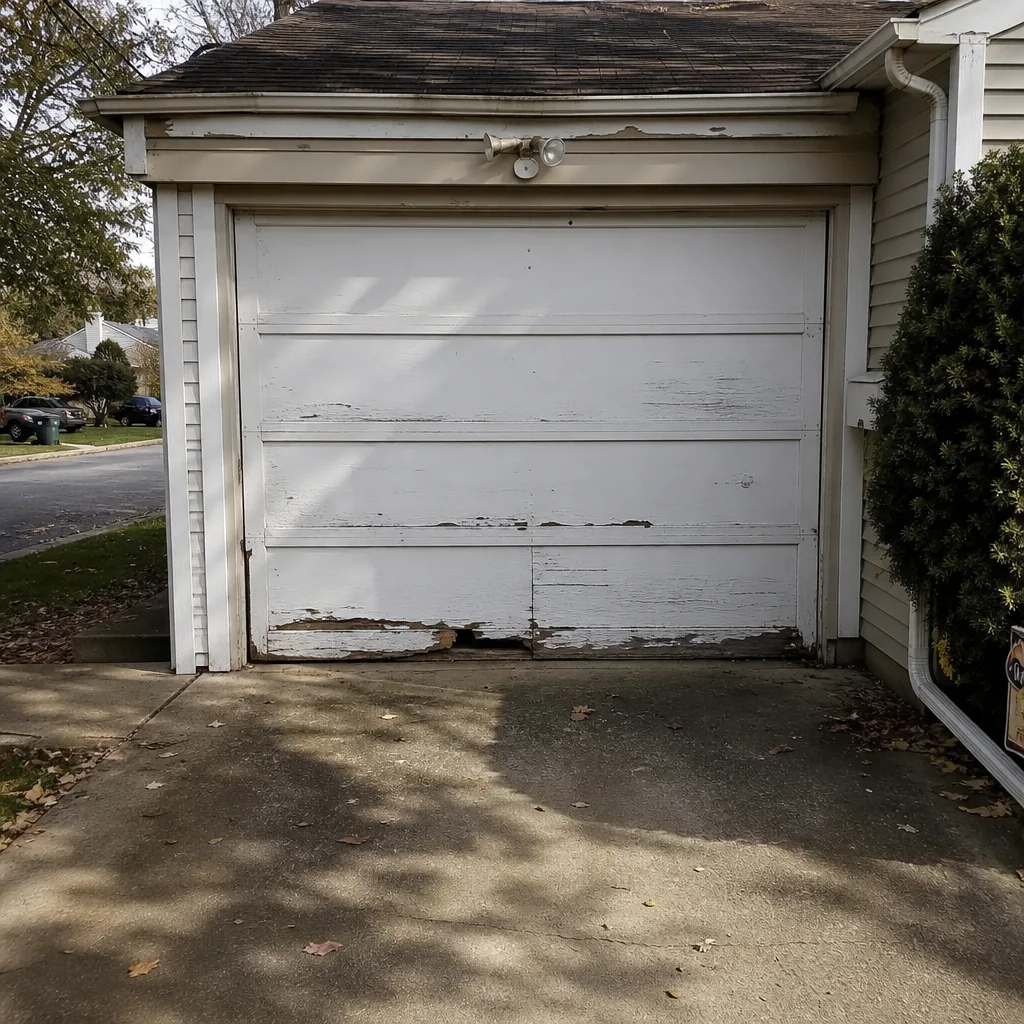 Before
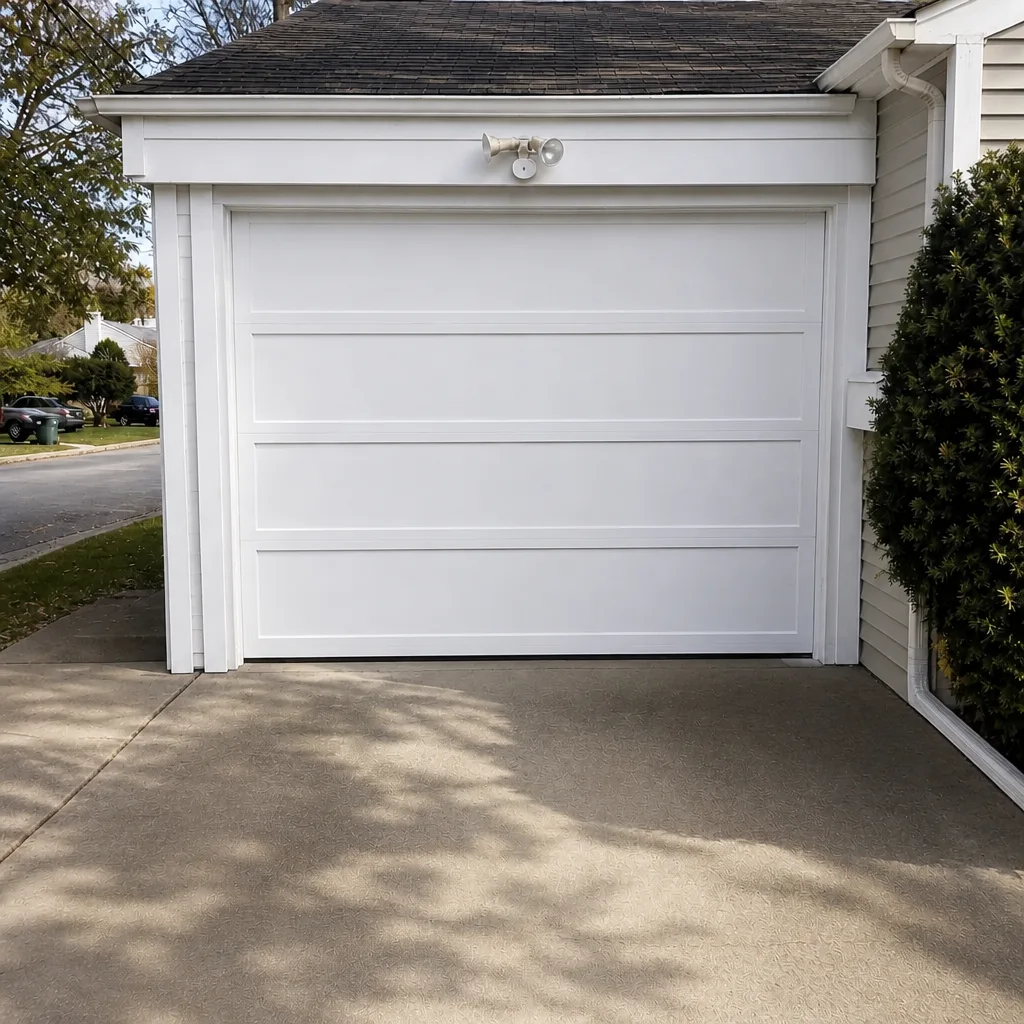 After
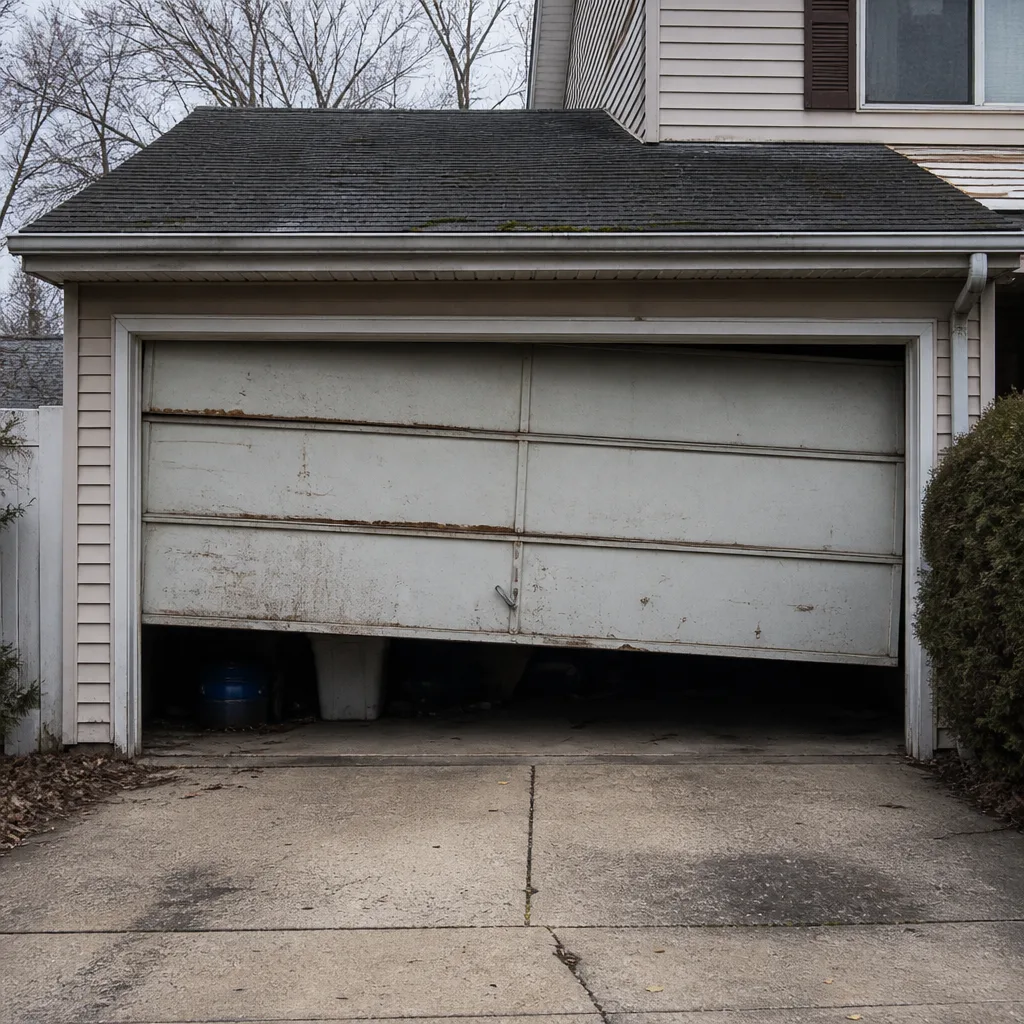 Before
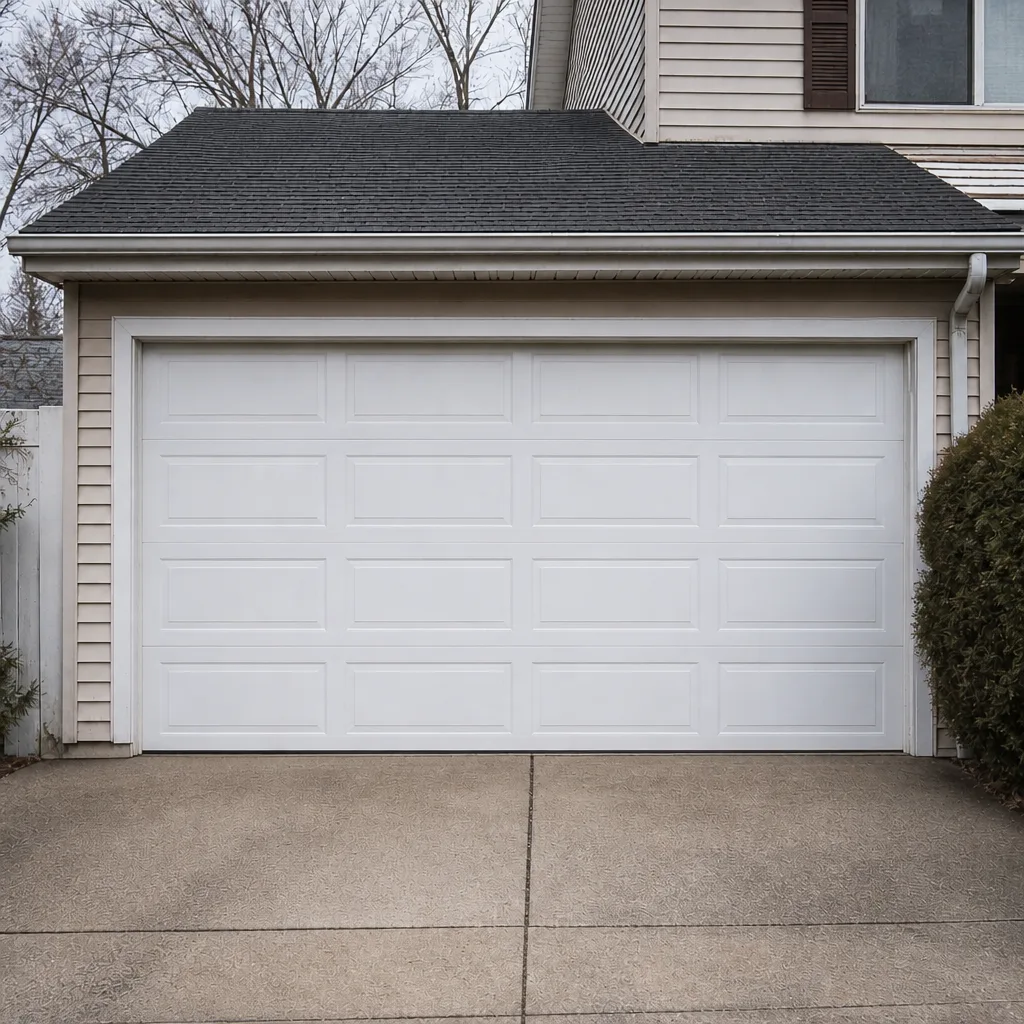 After
Frequently Asked Questions
Twice a year is the right rhythm here: once in fall before the freeze, and once in spring after it. The fall service is the one that matters most, because the damage from cold weather is what you’ll be fixing in spring if you skip it. Between services, do the monthly checks in the task card.
Cold contracts metal, and every freeze-thaw cycle puts the spring under a little more stress. The steel fatigues faster in climates with hard temperature swings, and Middletown Township has plenty of those in February. A spring that’s near the end of its life will often fail on the first cold morning after a warm spell. Lubricating the springs in fall helps, but it doesn’t prevent every failure.
Yes, if it’s just ice bonding the seal to the floor and the door itself isn’t damaged. Turn the opener off, break the ice with a plastic scraper or rubber mallet, and lift the door by hand. If the door is stuck, binds, or the opener is making noise, stop and call a technician rather than forcing it.
Not necessarily. An overheating opener can often be helped with better ventilation and a check of its force settings and safety sensors. The opener’s circuit board is the most vulnerable part, and if it’s already failing, replacing the board or the opener may be the right call. A technician can diagnose this in a single visit.
Most of it, yes: inspecting the bottom seal, lubricating hinges and rollers, cleaning the tracks, and testing the safety reverse are all things a homeowner can do safely. Spring inspection, cable inspection, and any adjustment inside the opener are jobs for a technician. The dividing line is whether the task puts your hands near a tensioned spring or a live electrical component.
We work on eight major brands: LiftMaster, Chamberlain, Genie, Clopay, Amarr, Wayne Dalton, Craftsman, and Raynor. That covers the openers and doors most Middletown Township homes have, and it means a technician arrives already familiar with your hardware rather than figuring it out on the spot.
The Bottom Line
A garage door in Middletown Township doesn’t get one maintenance season – it gets four, and each one stresses a different component. Fall is about preparing the seal, springs, and opener for cold. Winter is about troubleshooting freezing without forcing anything. Spring is about inspecting what cold weather loosened. Summer is about protecting the opener from heat and the hardware from humidity. Work through the task card a few minutes each month and you’ll catch most problems while they’re still small. For the ones that need a technician – springs, cables, opener electronics – call (855) 901-9068. We answer 24/7, and fast dispatch from 7am to 7pm, Sunday through Friday, gets a technician to your door with a free estimate.
Written by the team at Middletown Garage Door Repair Co.