
Last updated November 21, 2026
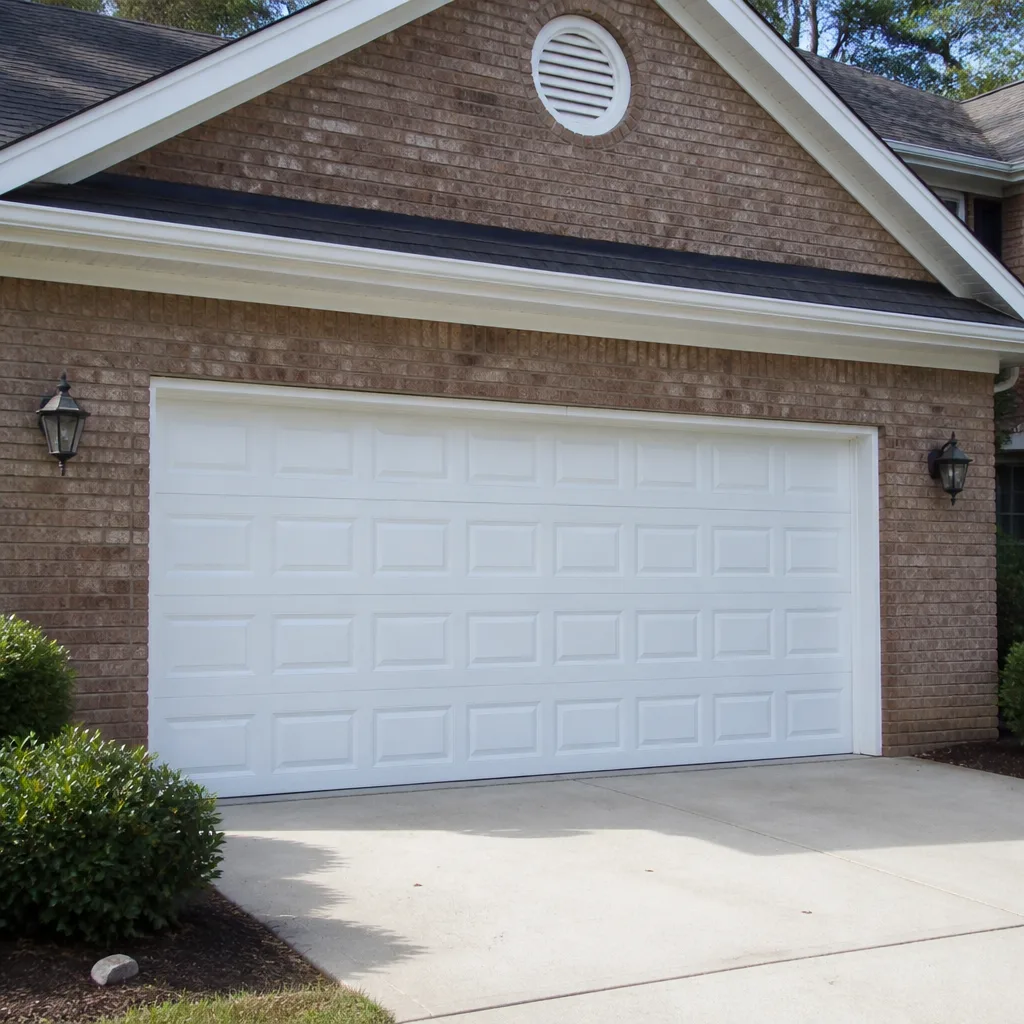 Raised-panel steel
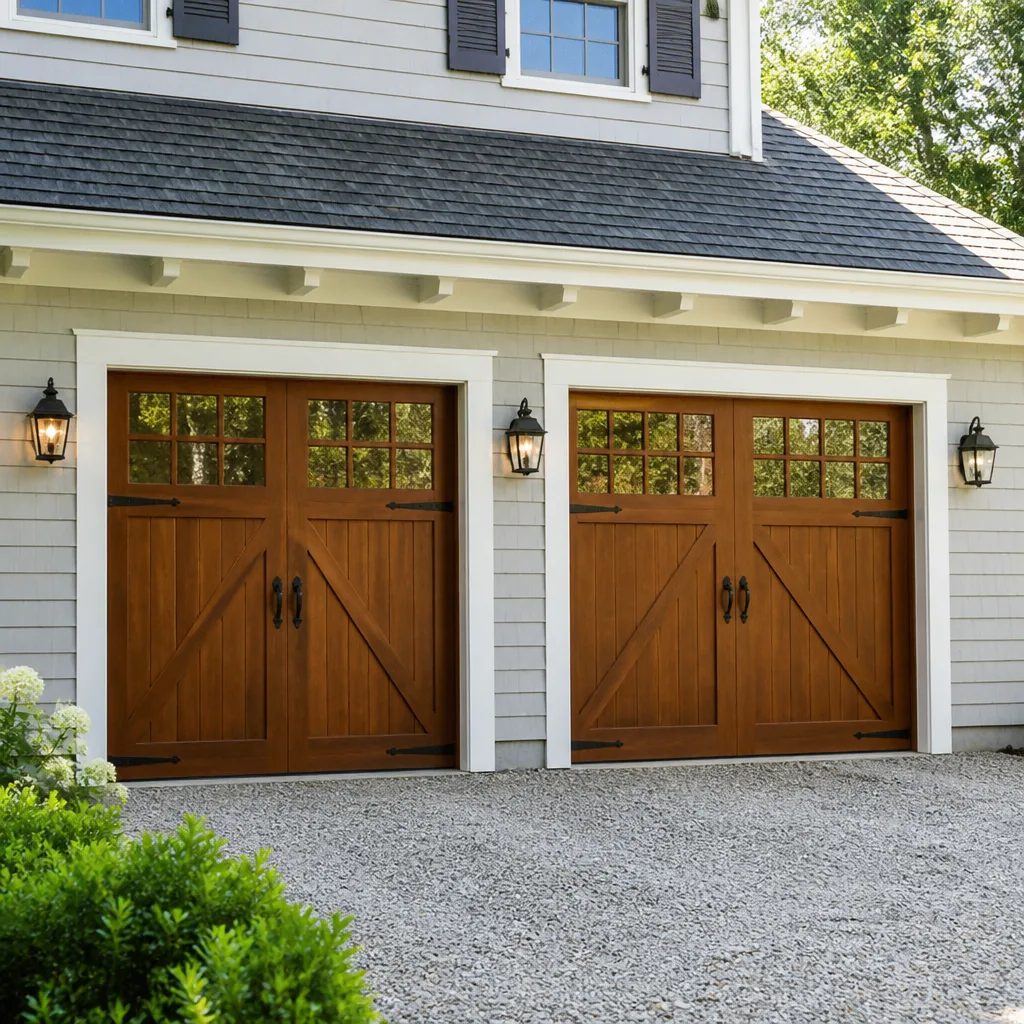 Carriage house
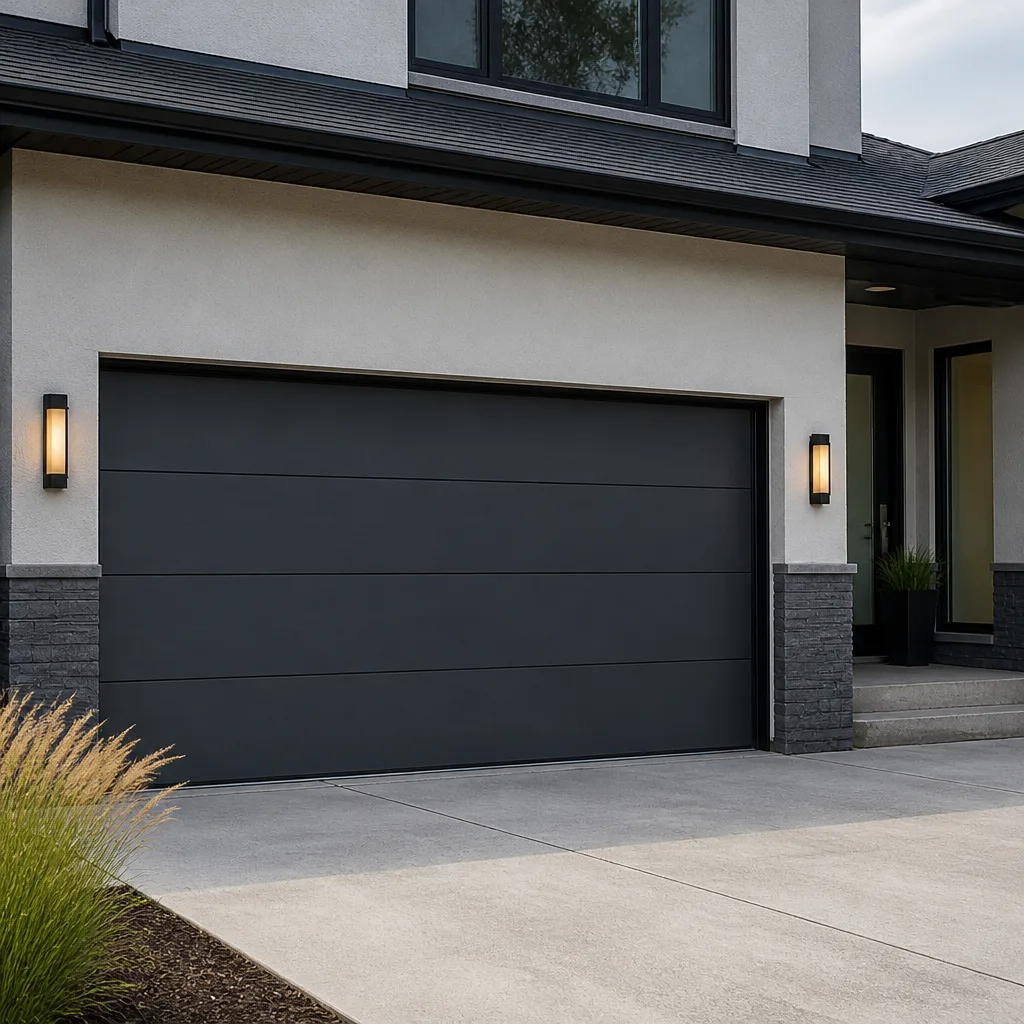 Modern flush
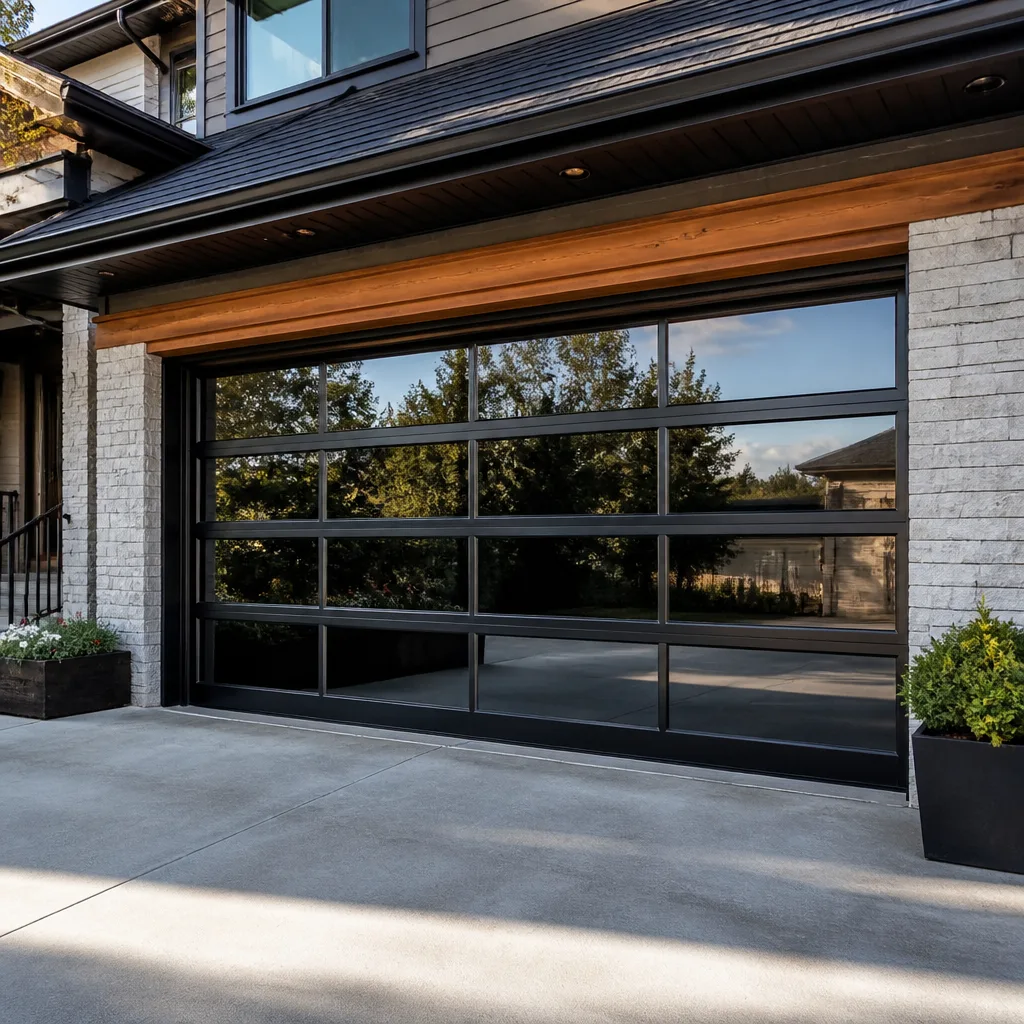 Full-view glass
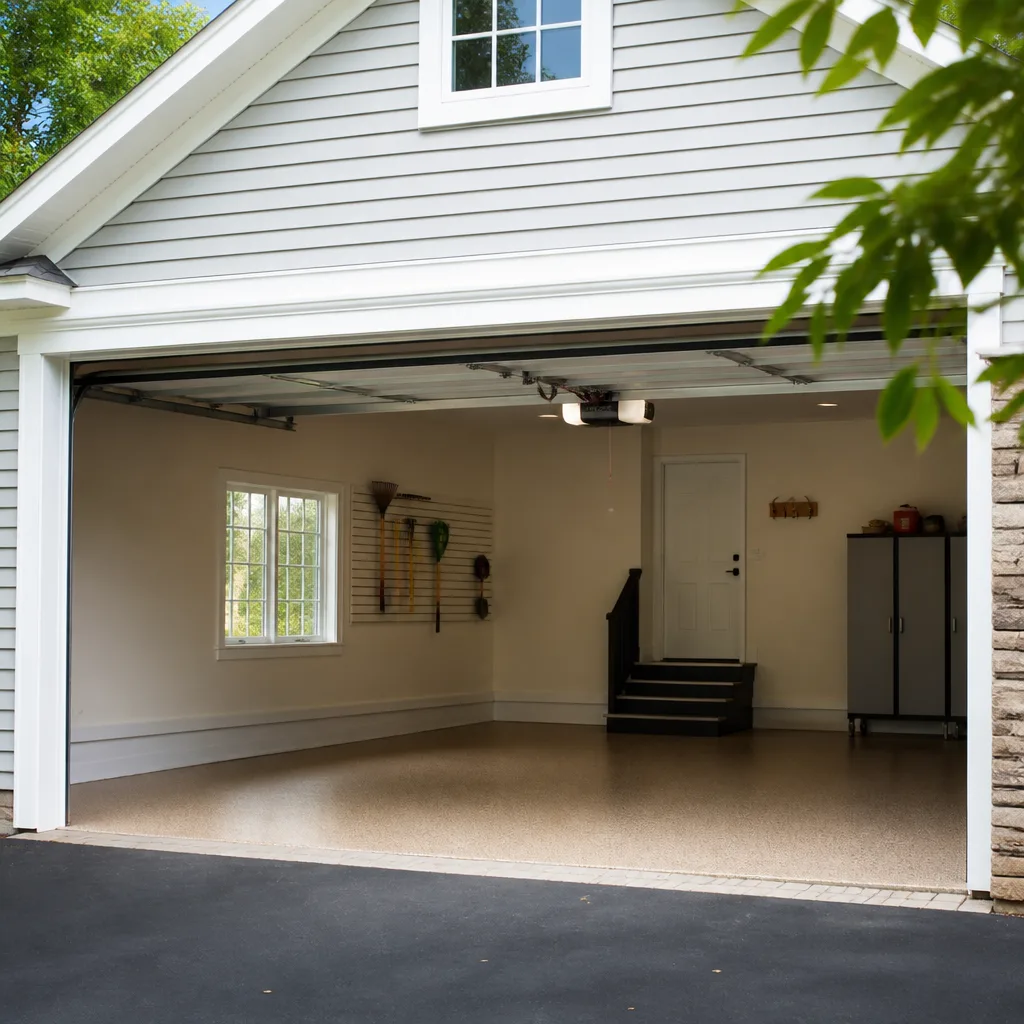 LiftMaster openers
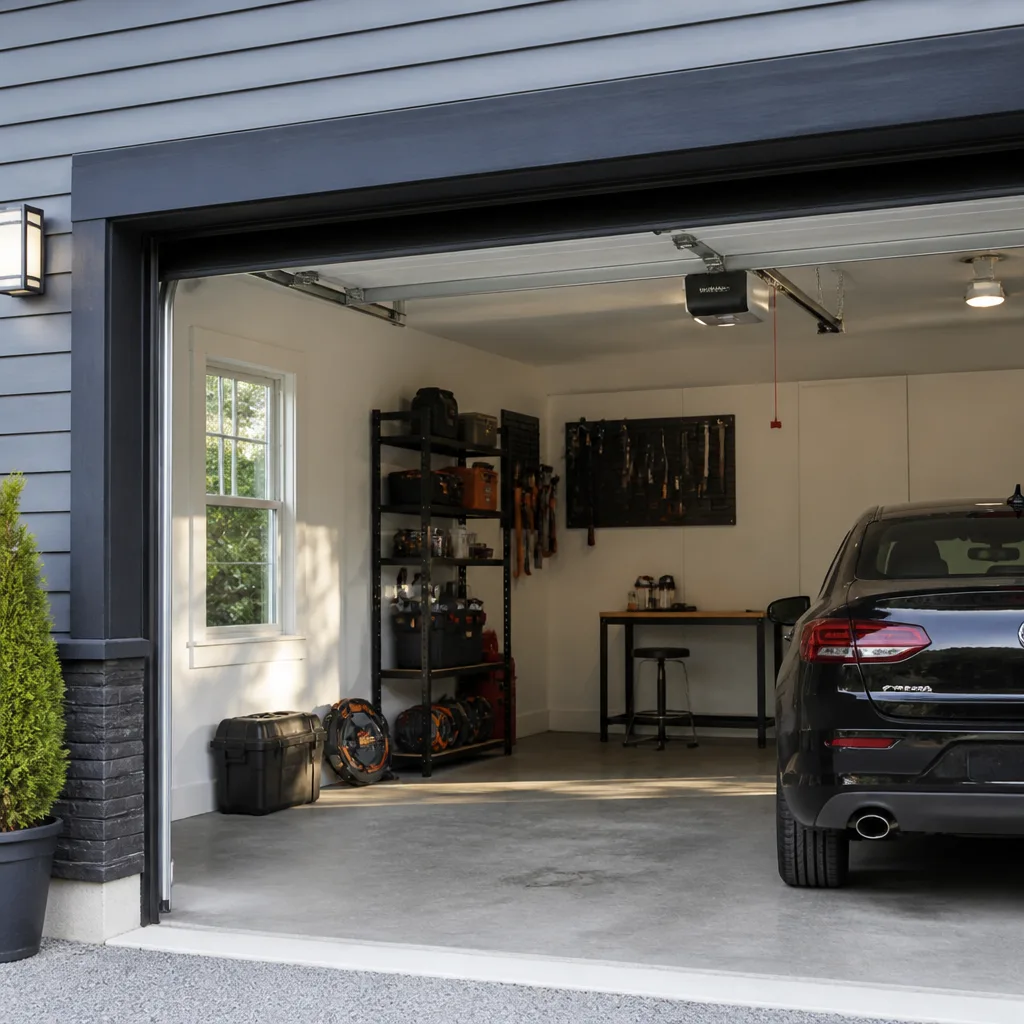 Chamberlain openers
Full 25-point door and opener safety check with every visit - springs, cables, rollers, tracks, and your LiftMaster or Chamberlain opener included
You get a price before we start. It does not change when the pro arrives.
Get your free estimateChoosing the Right Garage Door Brand: A Buyer’s Guide for Middletown Township
Two garage doors can look identical on a brochure, carry similar warranties, and differ by a couple hundred dollars. In a Middletown Township neighborhood, one will run quietly for a decade while the other starts sticking, rusting at the bottom panel, and calling for service within three years. The difference isn’t the logo on the front. It’s the steel gauge, the thermal break design, and the paint system behind the name. This guide scores the major brands against the variables that actually matter here: humidity along the bayshore, wide swings between summer heat and winter cold, and the daily open-close cycle a commuter household puts on a door. You’ll learn how to read a spec sheet, which brands hold up locally, and where your money is genuinely well spent.
Styles & brands we work with
- Raised-panel steel
- Carriage house
- Modern flush
- Full-view glass
- LiftMaster openers
- Chamberlain openers
Quick Answer
The right garage door brand in Middletown Township is the one whose steel gauge, thermal break, finish, and parts network match your home’s exposure and your household’s daily use – not simply the brand with the prettiest showroom model. For most attached garages in this market, a Clopay, Amarr, or Wayne Dalton door with a proper thermal break and a durable paint finish is the practical starting point, provided the brand has real local parts availability. Brand matters far less than construction quality and whether a technician can actually get replacement components when something fails.
Table of Contents
- Why Brand Selection Is Harder Than It Looks in Middletown Township
- Steel Gauge: The Number Most Buyers Ignore
- Thermal Break Construction and What It Does for You
- Paint and Finish Systems for Local Humidity
- How the Major Brands Compare in Monmouth County
- Why Parts Availability Matters as Much as Build Quality
- R-Value in Context: Attached Versus Detached Garages
- Opener Compatibility and Smart-Home Integration
- Common Mistakes to Avoid
- When to Call a Professional
- Frequently Asked Questions
- The Bottom Line
Why Brand Selection Is Harder Than It Looks in Middletown Township
A garage door is a large, painted steel panel that lives outdoors for its entire service life. That makes it less like an appliance and more like the siding on your house. What wears it out isn’t one dramatic event but the slow accumulation of moisture, temperature cycling, and repeated flexing. In Middletown Township, those forces are specific. The air carries real humidity much of the year, and doors here face genuine seasonal temperature swings rather than a mild year-round climate. That cycling is what separates construction quality between brands that look nearly identical at first glance.
The most common buying mistake we see is choosing a door on appearance and price in a showroom or on a dealer lot, then expecting it to behave the same as a neighbor’s door that happened to be built differently. A dark-painted door with a thin steel skin and no thermal break will absorb and hold heat differently than a lighter panel with better construction, and it will show the effects sooner. The name on the door rarely tells you which of those you’re getting. The specifications do, and manufacturers publish them if you ask.
Daily use compounds everything. A commuter household that opens and closes the door four to six times a day puts far more cycles on the springs, rollers, and hinges than a household where the garage is storage and the car parks in the driveway. Higher daily cycles shorten the working life of the moving parts regardless of brand. That’s why the brand conversation has to include the mechanical system, not just the panels. Aesthetics sell the door. The hardware behind it keeps it running. When you’re weighing a purchase, keep the whole assembly in view: panels, springs, tracks, and the opener that drives it.
Steel Gauge: The Number Most Buyers Ignore
Steel gauge describes the thickness of the door skin, and lower gauge numbers mean thicker steel. This is the single most useful spec a buyer can compare, and it’s the one most homeowners never look at. A 24-gauge door skin is thicker than a 25-gauge skin, and that difference matters under repeated flexing, impacts from a misjudged backing-up moment, and the general wear of daily use. Two doors can quote the same R-value and the same warranty term while using different gauges. Thicker steel also resists the small dents and dings that a thinner panel collects over years of family life.
On a Standard two-car attached garage in Middletown Township, the door is also a working structural element that takes wind load. Sturdier steel with proper reinforcement holds its shape better than a thin section panel that deforms slightly over time. A door that bows a little each season eventually binds in the tracks, and a binding door stresses its own springs and opener.
Here’s how to actually evaluate gauge when you shop:
- Ask the dealer or installer for the steel gauge on the specific model, not the brand’s average. Models within one brand vary widely.
- Compare like with like. A 25-gauge insulated door competes with a 25-gauge insulated door, not with a premium 24-gauge model from another brand.
- Feel the panel edges and hinge locations. Reinforced hinge plates signal a door built for real use cycles.
- Check whether the panels are two-sided steel or steel-faced with a lighter backing. Two-sided construction resists bowing better.
- Confirm the warranty covers panel denting separately from finish, because the two fail for different reasons.
If you’re trying to decide between two doors that look the same but sit at different prices, the gauge difference is often where that price gap lives. It is money well spent when the door faces a modest amount of wind load and a lot of daily cycles, which is most of Middletown Township.
Thermal Break Construction and What It Does for You
A thermal break is a separation built into the door’s frame that keeps the outer steel skin from conducting heat directly to the inner skin. Without one, the door’s metal skeleton acts like a bridge, so the outside temperature leaks into the outside panel of a door that otherwise looks well insulated. On a cold morning, a door without a thermal break can frost on the inside seam. On a hot afternoon, the inner skin warms even while the door sits closed in the shade. The break is a small design feature that most buyers never ask about, and it’s one of the clearest construction differences between a value-priced door and a quality one.
Not every brand builds its frames the same way, and the marketing language around insulation can be vague. When you’re comparing, ask a specific question: does this model use a full thermal break around the entire perimeter, or only in some sections?
- Full perimeter thermal break gives the most consistent performance and limits heat bridging at the door’s edges.
- Partial or no thermal break is acceptable for a detached, unheated garage where insulation is about appearance and dust rather than comfort.
- Dual-sided steel with a thermal break is the combination worth paying for on an attached garage that shares a wall with living space.
In Middletown Township, the practical effect shows up at the seams during a temperature swing, when warm moist indoor air meets a cold outer skin and condenses. A well-built thermal break reduces condensation on the inside of the door. It also reduces the amount of outside heat that seeps through the door and into any room that shares a wall with the garage. If your garage sits directly under bedrooms, that’s worth real consideration.
Paint and Finish Systems for Local Humidity
Finish is where humidity exposure takes its toll. Steel doesn’t shed water the way a proper painted surface does, and once corrosion starts at a panel edge or along the bottom rail, it creeps. The paint systems brands use vary more than their marketing suggests. A good factory finish is applied in a controlled process with a baked-on coat and a protective topcoat, while a lesser finish may still look sharp on the showroom floor but start to chalk or blister after a few humid summers.
What to look for on a spec sheet or in person:
- Baked-on finish versus painted-after-the-fact. A factory-applied and cured finish adheres more reliably than a field-painted one.
- Galvanized or treated steel base. A protective base layer under the paint is what actually resists corrosion at cut edges.
- Bottom seal and end caps. The bottom rail sits closest to splash and damp ground, so a solid bottom seal and sealed panel ends slow moisture intrusion.
- Color coats and clear topcoats. A finish system that includes a protective clear layer resists chalking better than a single-coat finish.
Care matters as much as the finish. Keeping the door clean and quick to dry is the cheapest maintenance a homeowner can do for panel longevity in a humid climate. During wet stretches, an occasional wash-down removes the grime that holds moisture against the paint and lets it dry evenly. The finish does the protecting; routine cleaning lets the finish keep doing its job. This is also the area where the cheapest door often costs the most over time, because a failing finish on lightly protected steel shows up fast.
How the Major Brands Compare in Monmouth County
Different brands excel at different things, and in the Monmouth County market the practical differences come down to construction quality, how widely parts are stocked locally, and how well a door’s hardware works with common openers. Here’s how the brands we work with most often stack up for Middletown Township homeowners. We service eight major brands across the trade – LiftMaster, Chamberlain, Genie, Clopay, Amarr, Wayne Dalton, Craftsman, and Raynor – so this snapshot comes from working on the hardware, not reading the brochures.
- Clopay: Strong all-around construction with a wide model range, from value doors to premium insulated models. Good parts availability locally, and doors that tend to hold up well under daily use. A dependable starting point for attached garages.
- Amarr: Competitive insulated doors with solid steel construction and a growing local dealer footprint. Some models carry meaningful R-values for the price. Parts availability is generally reliable in this area.
- Wayne Dalton: Recognizable in this market and generally available. Models range widely in construction quality, so read the gauge and thermal break specs carefully – two doors within this brand can differ a lot under the hood.
- Genie: A name more associated with openers than doors, but a useful reference point when you’re thinking about how your door and opener match up. Opener-side familiarity matters when you’re pairing a new door with existing hardware.
Insulation ratings also differ by brand and model, and a familiar name doesn’t guarantee a well-insulated door. Ask for the numbers per model and compare. A door from a well-known brand with a low R-value still performs like a low-R-value door, no matter what the badge says. The same applies to hardware compatibility. Some brands favor proprietary hinges or proprietary track profiles that dictate what parts will work later, so confirm your door and your opener will actually agree before you buy.
Why Parts Availability Matters as Much as Build Quality
Every mechanical system eventually needs service. Springs fatigue, rollers wear, hinges loosen, and openers fail. When that happens, your satisfaction depends less on the brand’s reputation and more on whether a technician can get the right replacement parts without a long wait. In the Monmouth County area, brands with limited local dealer networks pose a real risk: a homeowner waits an extended time for a component that a better-supported brand could supply within a normal schedule. A door that is stranded open or closed while parts are on backorder turns a routine repair into a disruption.
Parts availability breaks down into two questions:
- Does the brand have a real local network of dealers and installers who stock their components? A brand sold through a small number of outlets may have gaps in coverage.
- Does the model use current, supported hardware, or was it discontinued? An older model with proprietary parts is the hardest case for any technician.
This is one reason we take a brand-agnostic approach to diagnosis. Because our technicians have up to 10 years of experience working across competing brands, we can recommend based on what fits your door, not on what a manufacturer happens to push. We also handle the full scope of work, so a door issue doesn’t require a second company: our service spans garage door repair, garage door opener repair, and garage door spring repair along with full installation. When you’re evaluating a brand, ask about its local parts network as directly as you ask about its warranty. Ask which model years are current, how long a manufacturer supports the hardware, and whether common parts like drums, hinges, and cables are available nearby. A brand that fails the parts test is a headache waiting to happen, even if the door looks great for the first year.
R-Value in Context: Attached Versus Detached Garages
R-value is a measure of how well a door resists heat flow. Higher is better, up to a point, and that point depends on what your garage actually is. A high R-value door makes real sense on an attached garage where the garage shares walls with living space, but it delivers much less benefit on a detached structure with no heating or cooling. Paying for premium insulation on a detached, unconditioned garage is often money better spent elsewhere.
Here’s how to think about it in a Middletown Township home:
- Attached garage under living space: A higher R-value pays dividends in comfort and reduces the heat and cold that creep into the rooms above and beside it. This is where premium insulation earns its keep.
- Attached garage on the same level as living space, but conditioned: A mid-range R-value is often the sweet spot.
- Detached garage with no HVAC: Basic insulation for appearance and dust control is usually enough. Ringing every last R-value point rarely pays back.
The other consideration is the thermal break. A high R-value number on a door without a proper thermal break underperforms that same number on a well-built door. Compare the R-value and the thermal break together, not the R-value alone. And remember that insulation performance also depends on the seal around the door. A high-R-value door with a worn bottom seal loses much of its benefit to drafts, which is why a properly sealed, well-fitted opening matters as much as the door itself.
Opener Compatibility and Smart-Home Integration
Your garage door and your opener are a system, and the door you pick can limit your opener options. Some doors require proprietary hardware, unusual track profiles, or specific balance systems that make certain openers a poor fit. Others work with the common openers without fuss. Before you buy a door, ask how it pairs with your opener and whether the brand’s hardware is standard or proprietary. It’s easier to check compatibility at the point of purchase than to discover a mismatch after installation.
Smart-home integration adds another layer. Openers from LiftMaster, Chamberlain, and Genie have varying levels of connected features, and not every door plays nicely with every opener-based smart system. A door that locks you into a proprietary opener, or that blocks the smartphone app you planned to use, deserves a flag before you commit. If you’re retrofitting a door onto an existing opener, confirm the door’s balance and weight fall within your opener’s capacity. If you’re replacing both, choose the door and the opener together so neither constrains the other.
This is an area where a quick conversation saves headaches. We can check your door against your opener and confirm compatibility before you buy, so the new door works with the hardware you own, or with the upgrade you’re planning. If opener electronics are part of your plan, our opener repair and installation work covers the common brands, and we’ll tell you honestly when an existing opener can handle a new door and when it can’t.
Common Mistakes to Avoid
- Comparing brands instead of models. Brands sell a range of doors from thin-skin value models to premium insulated ones, so the brand name tells you almost nothing on its own. Compare gauge, thermal break, and finish on the actual model.
- Ignoring steel gauge. A 25-gauge door and a 24-gauge door can look the same but wear very differently. Ask for the gauge and treat it as a deciding spec.
- Paying for high R-value on a detached garage. If the structure has no HVAC, premium insulation rarely pays back. Spend the money on construction quality instead.
- Not checking local parts availability. A brand with a thin local dealer network can leave you waiting an extended time for a part. A well-supported brand is a lower-risk choice in Monmouth County.
- Choosing a door that locks you into proprietary hardware. A door that constrains your opener choice or requires hard-to-source parts creates problems later.
- Skipping the opener compatibility check. A new door that doesn’t work well with your existing opener means another purchase or a frustrating retrofit.
- Judging finish on the showroom floor. A finish that looks fine when new can fail sooner in humid conditions. Ask about the paint process and the base steel protection.
When to Call a Professional
Some brand and spec decisions are easier to make with a technician on the other end of the line. Call us when you’re choosing between two doors with competing specs, when your existing opener needs to match a new door, or when you’re not sure a model’s gauge and thermal break are right for your home. We also help when a door you’re considering has limited local parts support and you want to weigh the risk. And if your current door is binding, jumping, or making unusual noises, that’s a repair question before it’s a buying question. The moving parts of a door carry real stored energy, and spring or cable work belongs to a trained professional, not a weekend project.
Middletown Garage Door Repair Co offers free estimates in Middletown Township. Call (855) 901-9068 for a written price on repair, replacement, or a new installation. We answer 24/7. Fast dispatch from 7am to 7pm, Sunday through Friday. The price is quoted and agreed before any work starts, and the written estimate sets the final price. Whether you need a spring swapped or a whole new door installed, one call covers it all. Visit Middletown Garage Door Repair Co to see the full scope, and for spring replacement specifically, our spring service is handled by technicians who know how dangerous that work is and how to do it safely.
Frequently Asked Questions
There’s no single best brand – the best choice depends on your garage type, your daily use, and local parts availability. For most attached garages here, a Clopay, Amarr, or Wayne Dalton door with a proper thermal break, solid steel gauge, and a durable factory finish is a practical starting point. Compare the actual model’s specs rather than the brand name, and confirm the brand has a reliable local parts network.
Yes. Lower gauge numbers mean thicker steel, and 24-gauge steel is thicker than 25-gauge. Thicker steel resists denting, flexing, and bowing better under daily use and wind load, which matters on a Middletown Township attached garage. Ask for the gauge on the specific model, because models within the same brand vary widely.
It depends on your garage. A high R-value door pays off on an attached garage that shares walls with living space, where it reduces heat transfer into the house. On a detached, unconditioned garage, a higher R-value rarely pays back. Pair the R-value with a proper thermal break; the two work together.
Every door eventually needs service, and your repair depends on getting the right parts without a long wait. Brands with a thin local dealer network in Monmouth County can leave homeowners waiting weeks for components. A brand with strong local parts support keeps a routine repair routine. We can tell you which brands are well supported in this area.
Not always without checking. Some doors require proprietary hardware or specific balance systems that constrain your opener choice. Before you buy, confirm the door’s weight and balance fall within your opener’s capacity and that its hardware is standard rather than proprietary. We can check compatibility before you commit.
Yes. We cover the full garage door service spectrum – installation, repair, opener work, and spring service – so you don’t need a second company. Call (855) 901-9068 for a free estimate and a written price before any work starts.
The Bottom Line
Brand selection on a garage door is really a construction question in disguise. Steel gauge, thermal break design, and paint system quality decide how a door performs in Middletown Township’s humidity and temperature swings, not the name on the label. Compare actual models, not brands. Match R-value to your garage type, check that the door and opener agree, and confirm the brand has real local parts support so future repairs stay straightforward. A door that passes all four tests will look good and hold up for years. One that fails them will cost more in service than it saves up front. If you’d like help sorting it out, call (855) 901-9068 for a free estimate.
Written by the team at Middletown Garage Door Repair Co.
See the difference
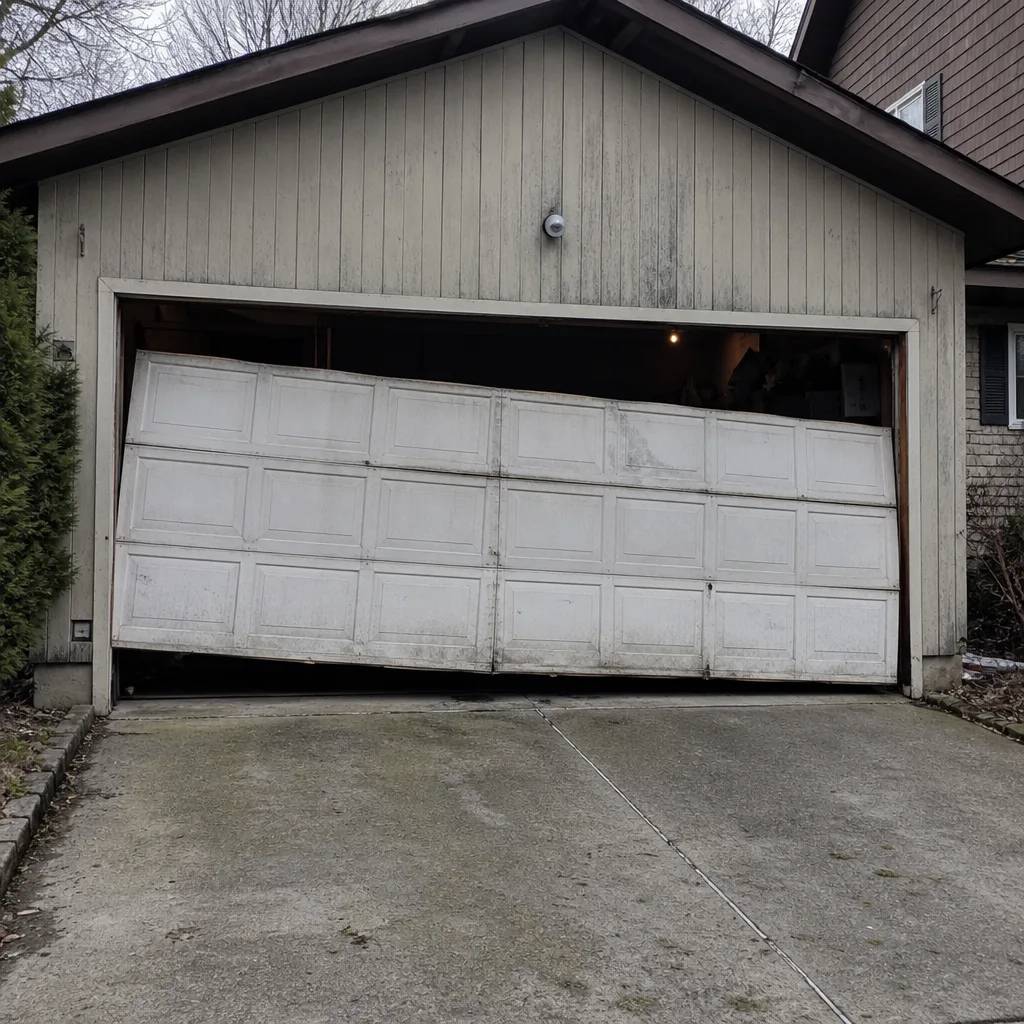 Before
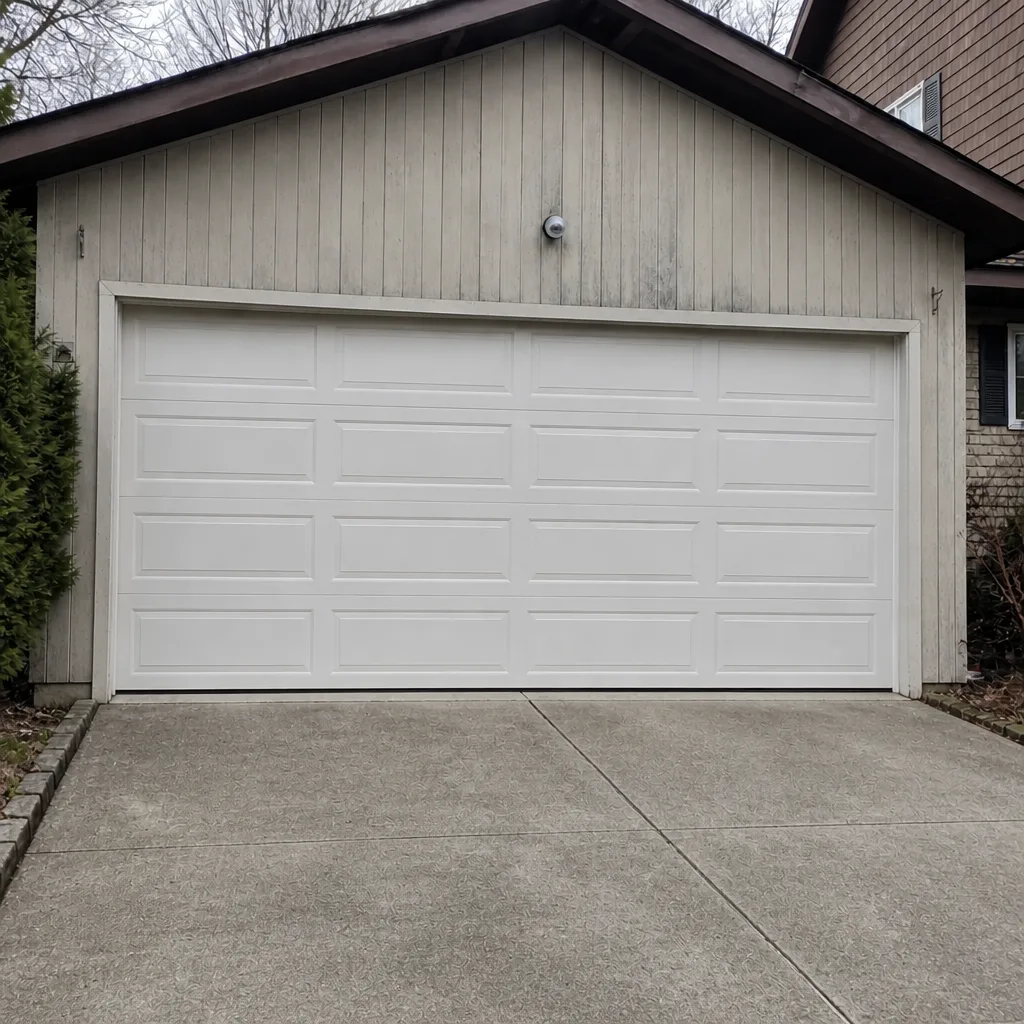 After
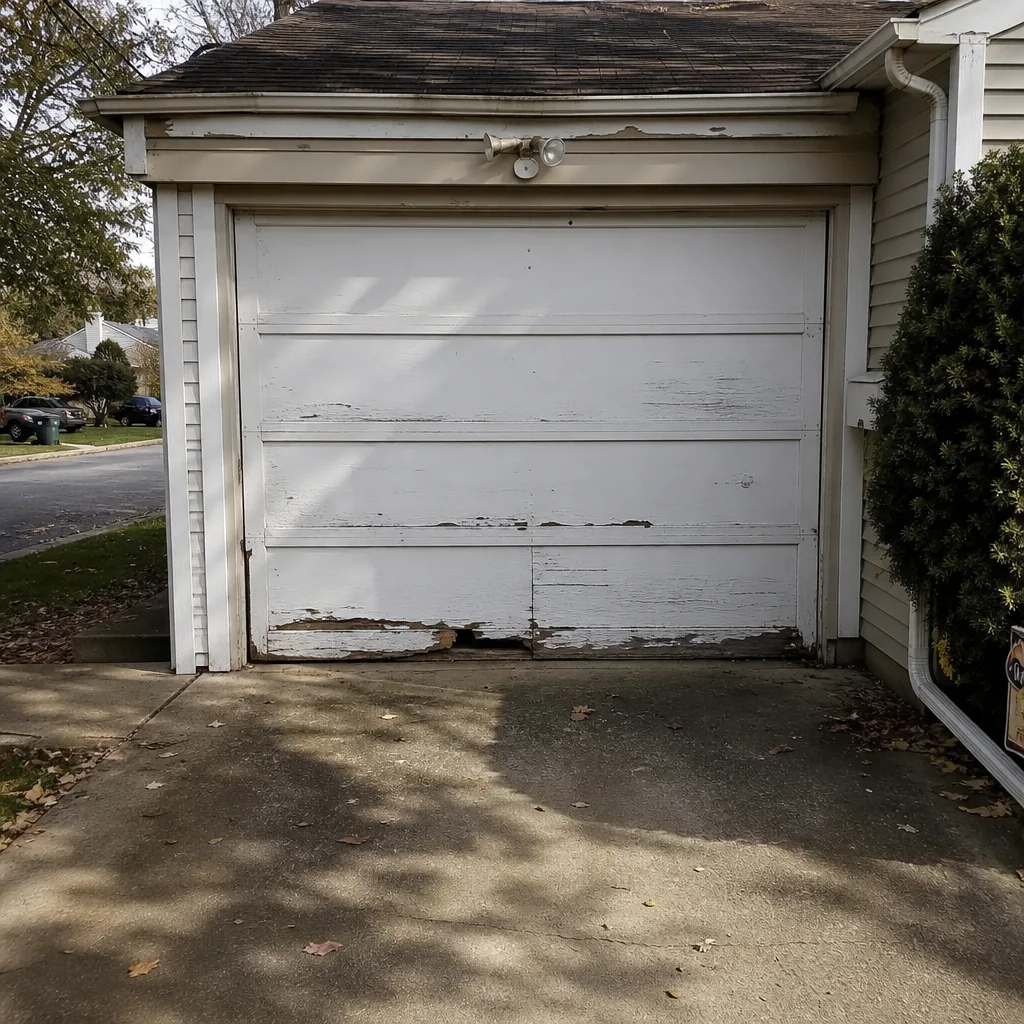 Before
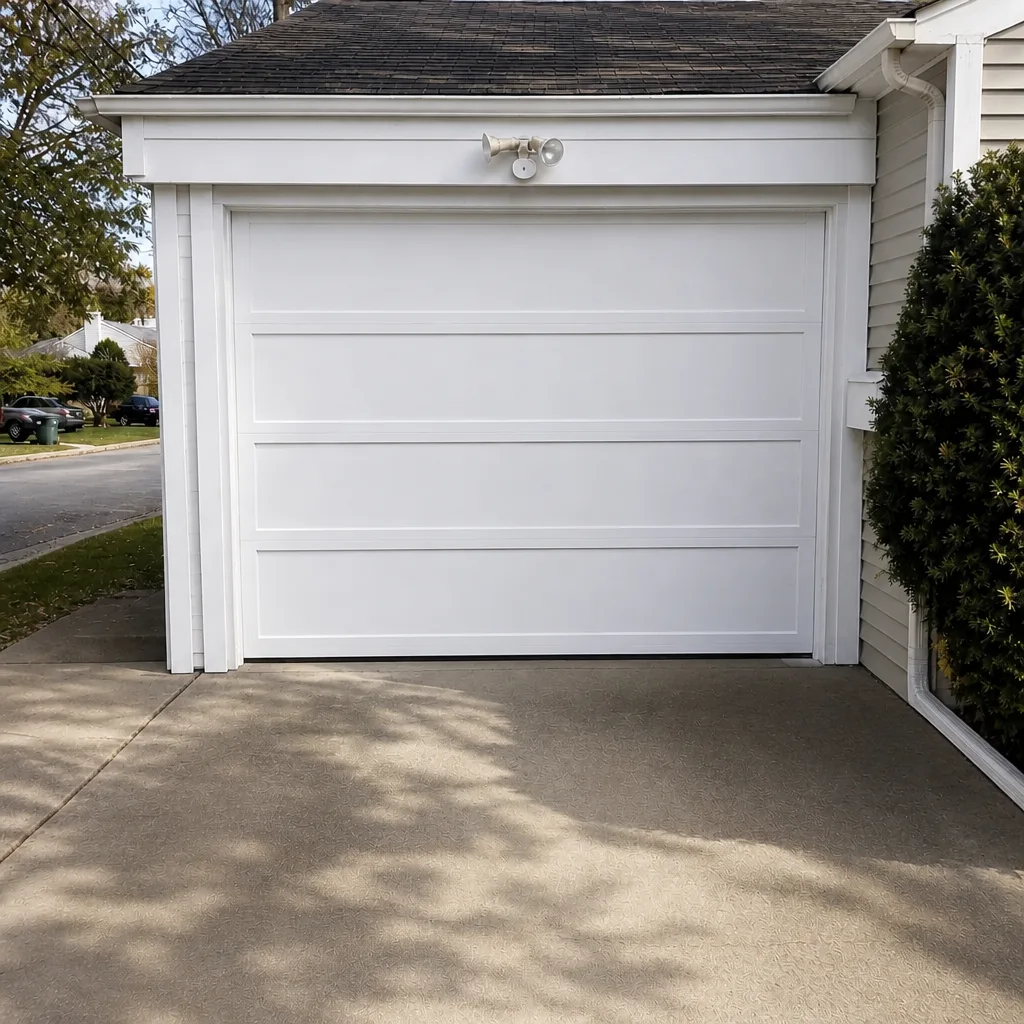 After
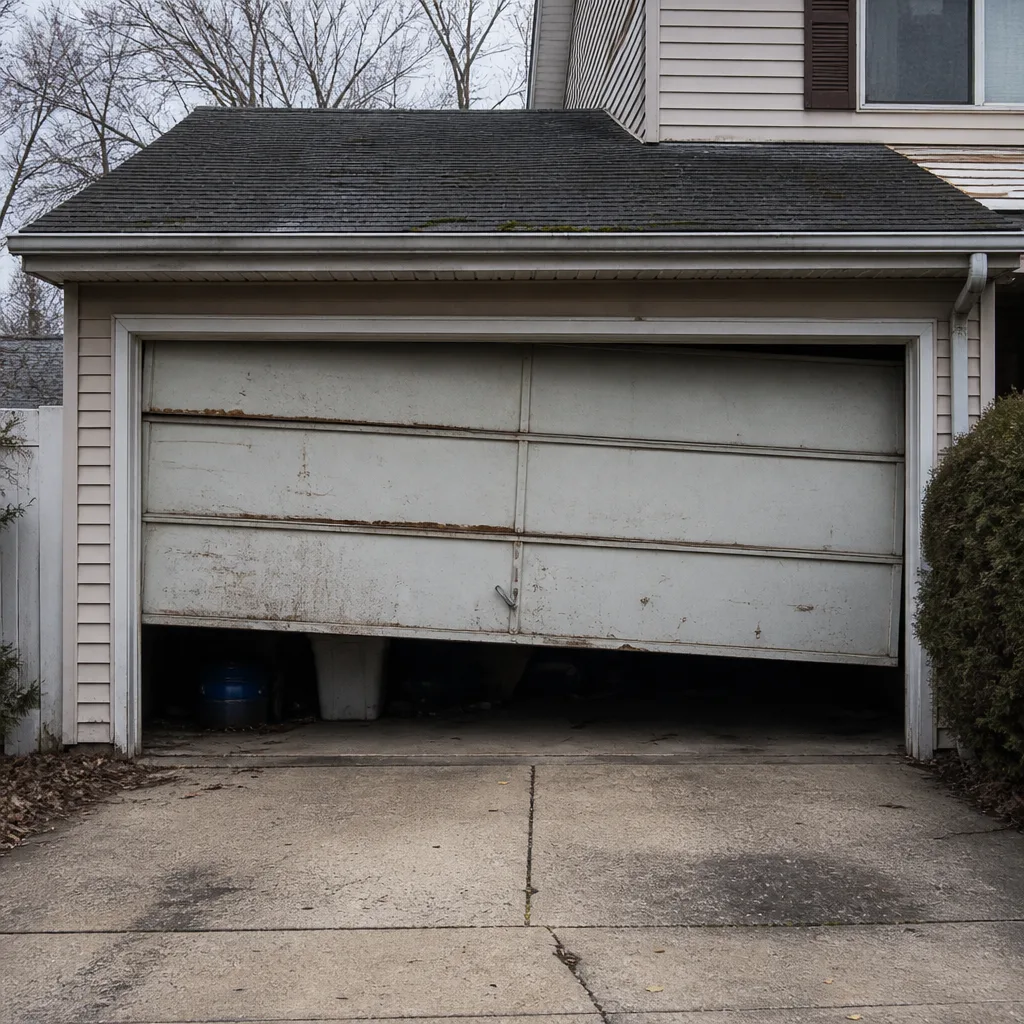 Before
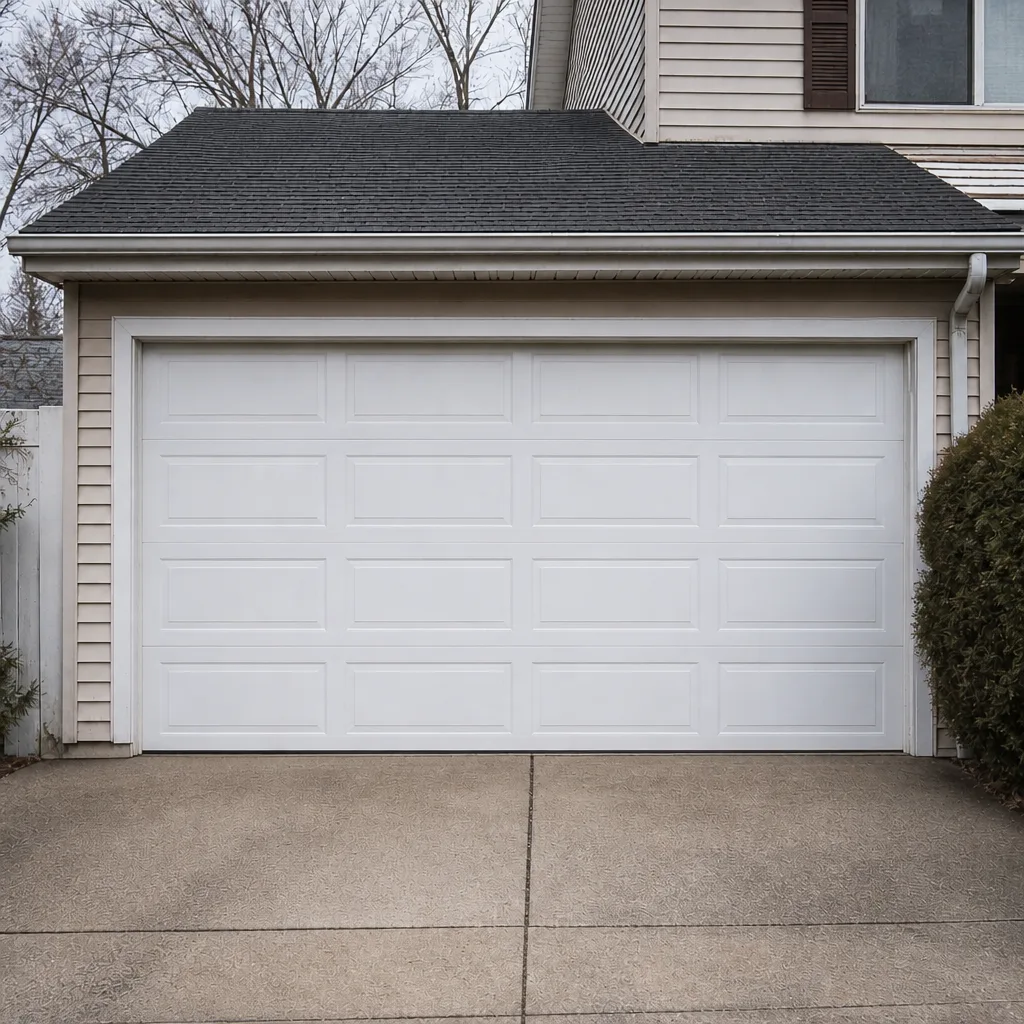 After